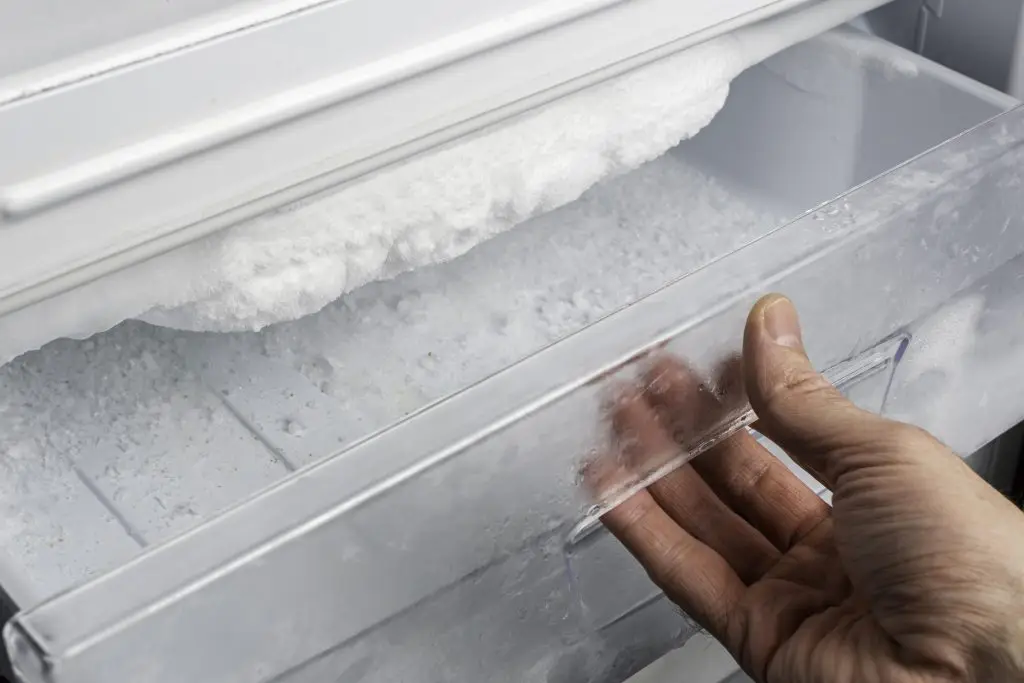
Frost build up in undercounter units is a serious and common problem in commercial refrigeration. It starts as a thin layer of ice. Over time, it grows into a thick obstruction. It forces your equipment to overwork. It raises your energy bills and puts stored product at risk. Understanding the causes — and the fixes — protects your business from costly downtime.
What Causes Frost to Build Up in Undercounter Units?
Frost forms when warm, moist air enters the refrigerated compartment. That air hits cold internal surfaces. The moisture freezes on contact. In undercounter units, this happens faster than in upright refrigerators. The design, position, and daily use of these units all speed up the process.
Undercounter units sit low to the ground. They are close to foot traffic and heat sources. Staff open and close them dozens of times per shift. Every door opening lets warm, humid air rush in. Each exchange deposits more moisture inside the unit. Over a busy day, that adds up fast.
Worn door gaskets make the problem worse. A damaged seal lets warm air seep in even when the door looks closed. This steady infiltration creates constant conditions for ice build up. Check your gaskets monthly. Replace them at the first sign of cracking or lost magnetic grip.
The Role of the Defrost System
Every commercial undercounter unit uses an automatic defrost cycle. This cycle runs at set intervals. It melts frost off the evaporator coils and drains the water away. When it works correctly, frost build up in undercounter units stays under control.
When the defrost system fails, ice accumulates without stop. A faulty heater, timer, or thermostat can cause the cycle to skip entirely. The unit then runs constantly. It struggles to reach set temperatures. Thick ice forms on the back wall and coils. Schedule prompt undercounter freezer repair at the first sign of these symptoms. A small component fix today prevents a full compressor failure tomorrow.
How Ice Accumulation Affects Performance
Frost build up in undercounter units does real operational damage. Ice coats the evaporator coils. It acts as insulation and blocks heat absorption. The refrigerant cannot work efficiently. The compressor runs longer and harder. Energy consumption rises. Internal components wear out faster.
Blocked airflow creates another serious problem. Undercounter units need consistent air circulation to hold even temperatures. When frost blocks the evaporator, cold air cannot distribute properly. Warm pockets form inside the compartment. Stored food and beverages may not stay at safe temperatures. That is a food safety issue, not just an equipment issue.
In freezer applications, heavy ice can jam the evaporator fan blades. This burns out the fan motor entirely. Routine professional undercounter freezer repair catches ice accumulation early. It protects you from these expensive downstream failures.
Undercounter Units Across Commercial Applications
Bars, restaurants, and food service businesses all depend on undercounter refrigeration. These units keep ingredients cold and beverages at serving temperature. They support high-volume service every single day. When frost build up goes unaddressed, the whole operation feels the impact.
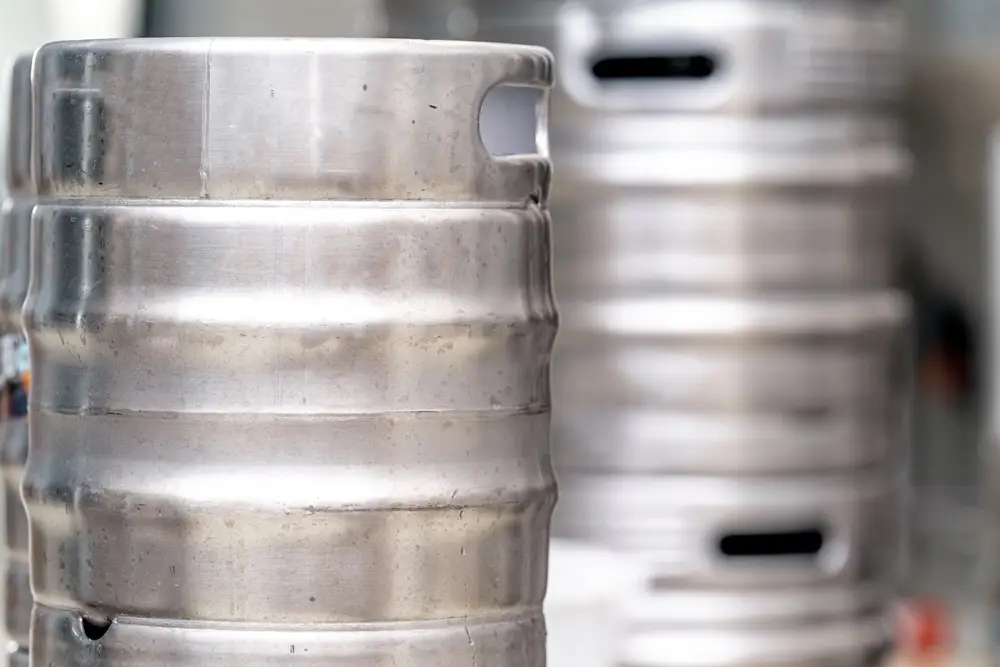
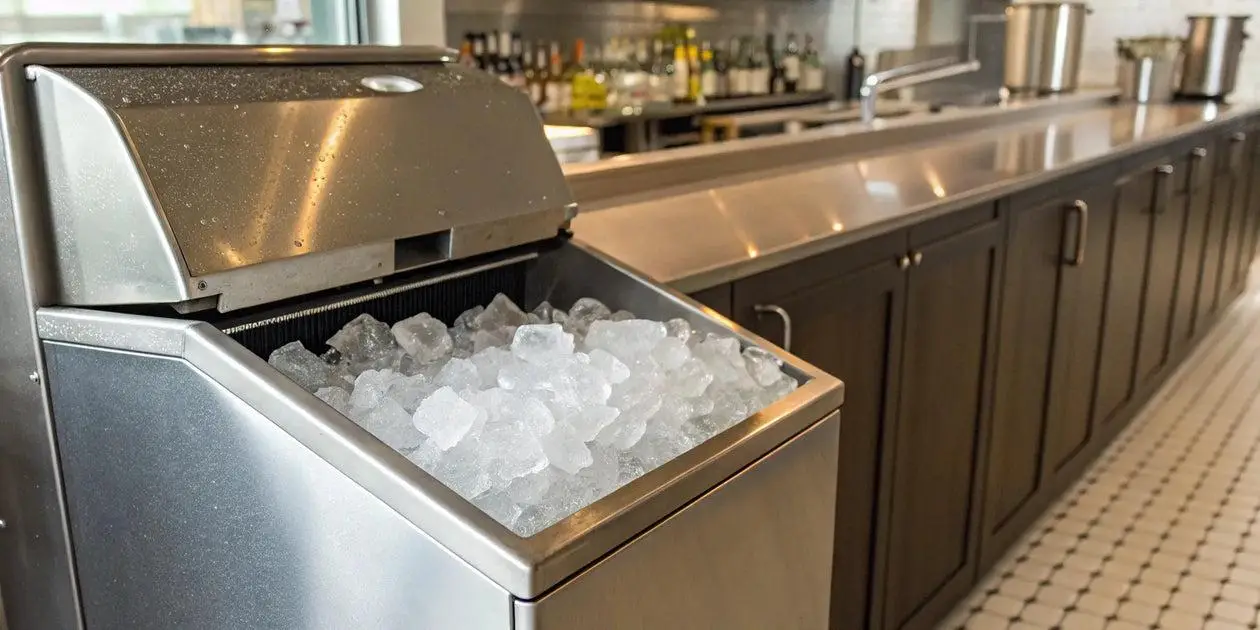
A keg cooler with frost accumulation may not hold the temperatures needed for consistent draft beer quality. Ice machines face similar risks. When internal components freeze over incorrectly, production drops. Sanitation risks increase. Timely ice machine repair keeps your supply reliable and your operation safe.
Calgary’s climate adds extra pressure. Variable humidity and seasonal temperature swings push more moisture into refrigeration units. Businesses that move equipment between indoor and outdoor environments face even greater risk. Factor local conditions into your maintenance schedule.
Drain Line Blockages and Frost Problems
A blocked drain line is a common and overlooked cause of frost build up in undercounter units. During a normal defrost cycle, melted ice drains away through a dedicated line. When that line clogs or freezes shut, the meltwater has nowhere to go. It refreezes on the coils and the compartment floor. Each defrost cycle adds another layer.
Clearing the drain line is a quick task for a qualified technician. It is a standard item on any professional maintenance visit. If you see standing water or floor ice inside your unit, check the drain line first. Catching it early turns a minor cleaning job into nothing more than a minor cleaning job.
When to Call a Refrigeration Professional
Some tasks are safe for operators. Wiping down gaskets, clearing space around the unit, and logging daily temperatures are all straightforward. But defrost system repairs, refrigerant issues, and electrical faults need a licensed technician. Do not chip ice off evaporator coils with sharp tools. That punctures the coils. It releases refrigerant. A fixable problem becomes a major expense.
Recurring frost build up in undercounter compartments points to an underlying fault. It will not resolve on its own. If multiple units show temperature problems at the same time, the cause may be systemic. Poor ventilation or an overloaded circuit can trigger a commercial freezer repair issue across several units at once.
Freedom Appliances serves commercial kitchens, bars, and food service operations across Calgary. Our technicians arrive with the right diagnostic tools and parts. We get your equipment back on track fast. We also handle keg cooler repairs, air conditioning repair, and ice machine repairs. One call covers all your commercial cooling needs.
How to Prevent Frost Build Up in Undercounter Units
Prevention is always cheaper than repair. Train staff to close unit doors fully after every use. Inspect gaskets every month. Replace worn seals immediately. Schedule professional maintenance at least once a year. High-traffic operations should book service more often.
Keep the area around the unit clear. Undercounter units pull in ambient air to cool the condenser. Blocked airflow raises operating temperatures. It accelerates ice accumulation as a direct result. A few inches of clearance around the unit makes a real difference in performance and lifespan.
Log internal temperatures once per shift. It costs nothing and takes seconds. A rising temperature trend, a compressor that never cycles off, or frost on the door interior are all early warnings. Act on them before they become emergencies.
Frost build up in undercounter units is preventable and manageable. The right habits and the right professional support make all the difference. Freedom Appliances is here to keep your refrigeration running right, every day.
Frequently Asked Questions
1. Why does frost build up in undercounter units happen faster than in upright commercial refrigerators?
Undercounter units are opened far more often during a shift. They sit closer to heat and humidity sources on the kitchen floor. Each door opening introduces warm, moist air that freezes on internal surfaces. Upright units in quieter locations experience fewer of these exchanges, so frost builds more slowly.
2. Is it safe to manually defrost my undercounter unit without calling a technician?
Yes, with care. Power the unit off and let ice melt naturally into towels or a drain pan. Never use sharp tools, heat guns, or open flames near the coils. If frost returns quickly after a manual defrost, call a technician. That pattern signals a mechanical fault that needs professional diagnosis.
3. How often should the automatic defrost cycle run in a commercial undercounter unit?
Most units run two to four defrost cycles per day. They are typically timed during slower periods. The right frequency depends on the unit model, ambient humidity, and door usage. A refrigeration technician can review and adjust your defrost timer during a routine service visit.
4. Can a dirty condenser coil make frost accumulation worse?
Yes. A coil coated in dust and grease cannot release heat efficiently. This raises the operating temperature of the entire system. It puts added stress on the evaporator and disrupts the refrigeration cycle. Clean condenser coils every three to six months. It directly reduces frost problems and improves energy efficiency.
5. How do I know if the frost in my unit is normal or a sign of a problem?
A light frost coating on the evaporator coils after a cooling cycle is normal. It should clear during the next defrost cycle. Problematic frost persists between cycles. It spreads onto the walls or floor. It restricts airflow. If ice grows thicker each day rather than clearing, the unit needs professional attention.