Choosing the right size commercial fridge is one of the most important decisions for any Calgary business that handles food, beverages, or temperature-sensitive items. A fridge that’s too small will constantly run out of space and make daily operations frustrating. On the other hand, a unit that’s too large will waste energy and take up valuable room. Therefore, it’s essential to find a balance based on your specific needs. Whether you’re running a restaurant, convenience store, or catering service, the right commercial fridge can help you work more efficiently. To clarify the process, we’ve broken it down into a few key steps that can help guide your decision.
Understand Your Business Type and Inventory Volume
Start by thinking about the type of business you run. Restaurants have very different refrigeration needs compared to bakeries or medical clinics. For instance, a coffee shop might need more space for milk and pastries, while a bar may require extra room for bottled drinks and garnishes.
In other words, your industry largely determines the kind of items you’ll store. After that, estimate how much inventory you hold at a given time. If you restock frequently, a smaller unit may be fine. However, if you buy in bulk or prepare large volumes ahead of time, you’ll need something with greater capacity.
This inventory estimate doesn’t have to be exact. Just think in practical terms about how often you restock, how quickly products move, and how much buffer space you need for busy periods.
Measure the Available Space in Your Location
Before choosing any fridge model, measure the space where you plan to install it. This includes the width, depth, and height. Moreover, consider nearby walls, doors, and walkways. Commercial fridges need proper airflow around them, especially for ventilation and cleaning access.
You’ll also need to measure doorways, halls, and service entrances to make sure the fridge can be moved into the building. In tight quarters like small kitchens or convenience stores, even a few inches can make a big difference.
One practical tip: tape out the fridge footprint on the floor using painter’s tape. This gives you a better sense of how much room it will occupy and how it may affect movement in the area.
Match Storage Needs to Fridge Types
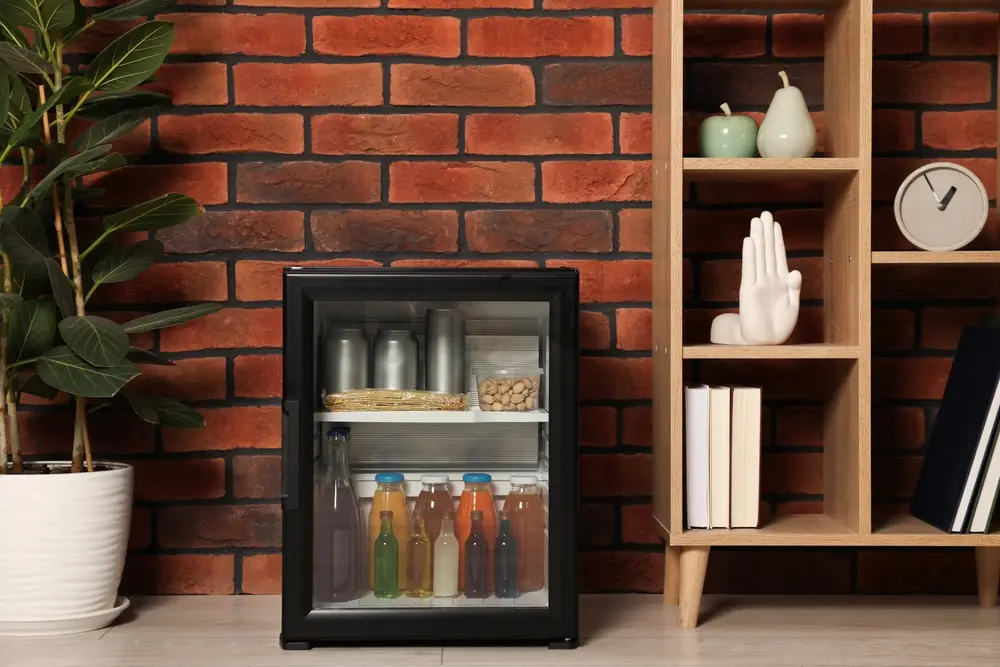
There are several styles of commercial fridges, and each has different storage capacities. Upright reach-in models are ideal for back-of-house storage and can be placed against a wall. Meanwhile, undercounter fridges save space and work well in prep areas. For display purposes, glass-door models let customers see contents easily.
Likewise, walk-in coolers are useful for operations with very high volume or bulk storage needs. However, they require significant floor space and installation effort. For instance, a busy catering service might need a walk-in to store trays and large containers, while a small café may only need a single upright unit.
Your decision also depends on whether you want your fridge to serve employees, customers, or both. As a result, consider visibility, ease of access, and how often items will be retrieved.
Calculate Capacity in Cubic Feet per Storage Category
Most commercial fridges are rated by cubic feet. However, the same cubic footage can be organized differently depending on the model. That is to say, it’s not just about volume—it’s also about usable shelf space.
Try to break down your storage needs by category. For example, if you run a deli, you may want to calculate how many cubic feet you need for meats, cheeses, produce, and drinks separately. This helps you visualize how your inventory will fit into the unit.
As a basic guideline, small units range from 7 to 15 cubic feet, medium ones from 20 to 40, and large models can go well over 50 cubic feet. Choose a size that gives you a bit of extra room without being excessive. Overcrowding reduces airflow, while too much empty space lowers efficiency.
Think About Door Style and Frequency of Use
The way a fridge opens can affect how practical it is in your space. Swing doors require clearance and may interrupt foot traffic, while sliding doors work better in tight areas. In addition, some models have half-doors or split compartments to reduce cold air loss during frequent access.
If your fridge will be opened dozens of times an hour, opt for a model with strong insulation and self-closing doors. This helps maintain a consistent temperature and reduces energy consumption. Similarly, think about door direction, whether it opens left, right, or is reversible—to suit your workspace layout.
It’s worth noting that the physical layout of shelves and drawers inside the fridge can also impact how you use it. Adjustable shelves can help you store irregular or tall items more efficiently.
Factor in Energy Use and Utility Costs
Commercial refrigeration can account for a large share of your energy bill. Consequently, choosing the right size is about more than storage space, it’s also about operational costs. Oversized units that run half-empty most of the time waste both electricity and money.
Look for energy-efficient models with high insulation ratings, LED lighting, and eco-friendly refrigerants. Some units come with Energy Star certification, which indicates they meet strict performance standards.
If your current unit is aging or underperforming, it might be time to explore options for better Commercial Refrigeration Services in Calgary. Technicians can help you assess whether your current setup is costing more than it should and suggest models that match your actual business use.
Consider How Your Needs Might Change
One extra insight that many people overlook is future growth. Your business today may not look the same in a year or two. Therefore, consider whether your fridge choice will still meet your needs if your menu expands, you hire more staff, or your sales increase.
To clarify, this doesn’t mean buying the largest model you can afford. Instead, think about flexibility. Choose a unit with adjustable storage options, or consider a modular setup where you can add another unit later if needed.
In Calgary, the seasonal nature of business can also play a role. For instance, cafes or catering services may require more storage during event-heavy months like summer or holidays. If that’s the case, plan for seasonal surges without overcommitting year-round.
Get Advice from Local Experts Before You Buy
Before you finalize a decision, speak with professionals who work in your area. Not every fridge model performs well in Calgary’s specific climate or energy grid. Moreover, some models may require special servicing or parts that aren’t always easy to find locally.
This is where working with specialists who offer Commercial Refrigeration Services in Calgary becomes helpful. They can recommend models that are proven to last, advise on ventilation setups, and even suggest upgrades to make your existing system more efficient.
A local expert can also help with load calculations, installation logistics, and maintenance planning—all of which play a role in long-term performance and cost savings.
Know When to Replace or Upgrade
If you already have a commercial fridge but suspect it’s no longer meeting your needs, there are signs to watch for. Poor cooling, loud noises, high energy bills, and frequent repairs usually point to an inefficient system. Even if the size is adequate, older units may be eating up your budget.
In such cases, consider reaching out through the contact page of a local specialist. They can run diagnostics and tell you whether repair or replacement makes more sense based on your situation.
Buying a new fridge might seem like a big step, but if it cuts down on running costs and improves workflow, the investment can pay off quickly.
FAQs
How do I know how many cubic feet of refrigeration I need?
Start by estimating the volume of your typical inventory and add a buffer for growth or busy periods. Break it down by product type and check the internal layout of models to ensure efficient use of space.
What’s the most space-saving type of commercial fridge?
Undercounter fridges and slim upright units are designed for tight areas. Choose models with adjustable shelves and sliding doors if you’re short on space but need frequent access.
Does Calgary’s climate affect commercial fridge performance?
Yes. Temperature swings and dry air can impact compressor efficiency and humidity levels inside the fridge. Choose models with strong insulation and work with local professionals who understand these challenges.
How often should a commercial fridge be serviced?
It depends on usage, but most units benefit from a professional check every six months. Regular cleaning of coils, gaskets, and vents can extend lifespan and prevent breakdowns.
Can I install a walk-in cooler in a small location?
Walk-ins require more floor space and professional installation. However, compact versions exist, and a consultation with a refrigeration expert can help you decide if one fits your space and needs.