Running a busy restaurant or cafe in Calgary keeps us on our toes. We know that between managing staff and serving customers, you must stay ready for an Alberta Health Services (AHS) inspection. AHS inspectors focus heavily on food safety. Your refrigeration system usually serves as the first thing they check when they walk through your doors. If your equipment fails to hold the right temperature, you risk losing your inventory or even facing a closure order. Our team wants to help you succeed, so we created this guide to ensure your kitchen stays compliant and safe for the public.
Maintaining your cooling units does more than just satisfy an inspector. It protects your bottom line and your reputation. When you invest in regular maintenance, you prevent the stress of a surprise visit. Our professional technicians see many businesses struggle during inspections because of small, avoidable mistakes. By following a few simple steps, you can turn your next health inspection into a quick and easy process. We take pride in helping our neighbours keep their kitchens running without any interruptions.
How To Pass your Alberta Health Services Inspection with a Perfect Fridge
The most important rule for AHS involves the Danger Zone. Bacteria grow quickly when food sits between 4°C and 60°C. To keep your kitchen safe, you must store all potentially hazardous foods at 4°C or colder. This category includes meat, dairy, seafood, and even cooked rice or pasta. If an inspector finds your walk-in cooler sitting at 6°C, they will mark it as a violation immediately. We recommend checking your internal thermometers every single morning to catch these shifts early.
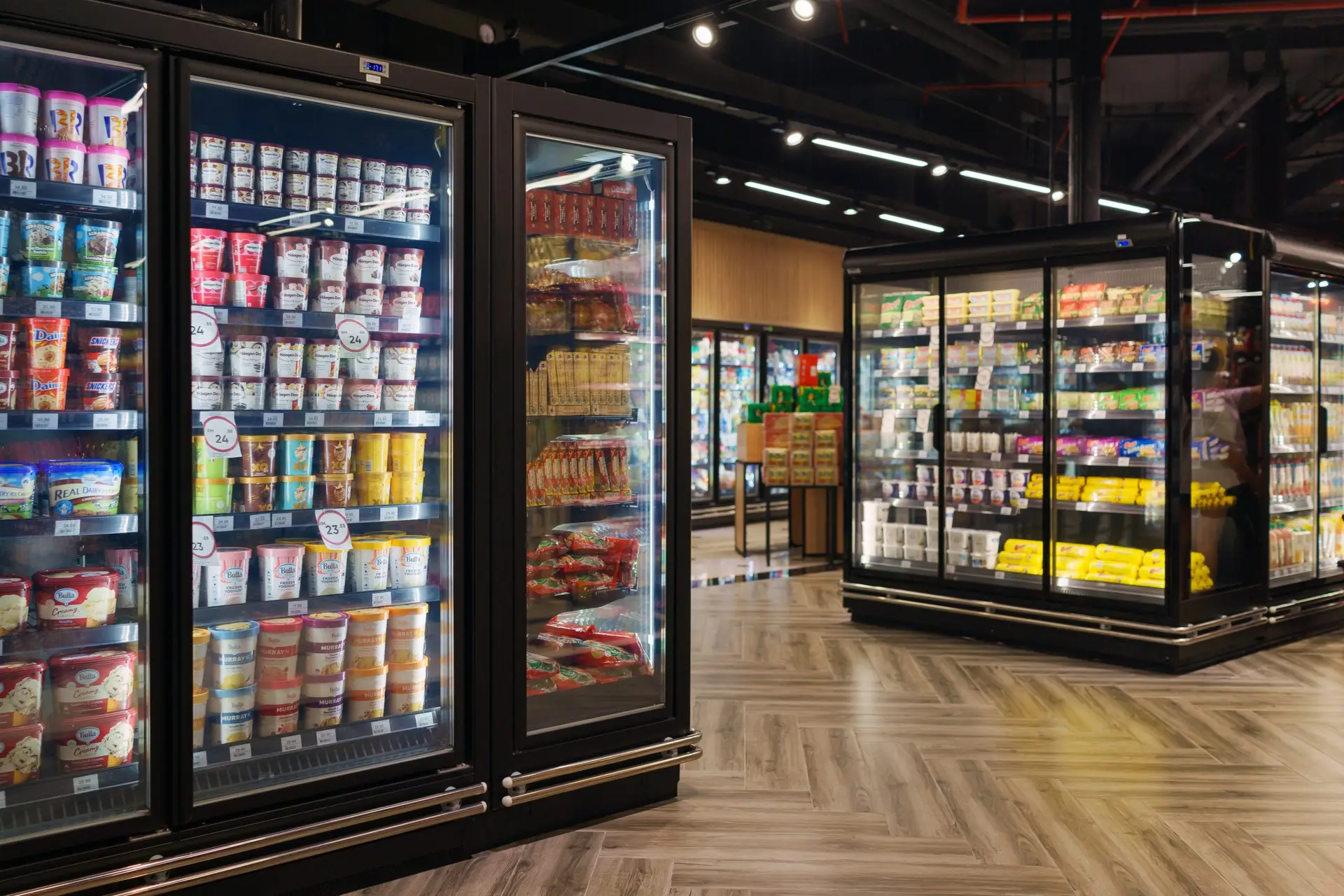
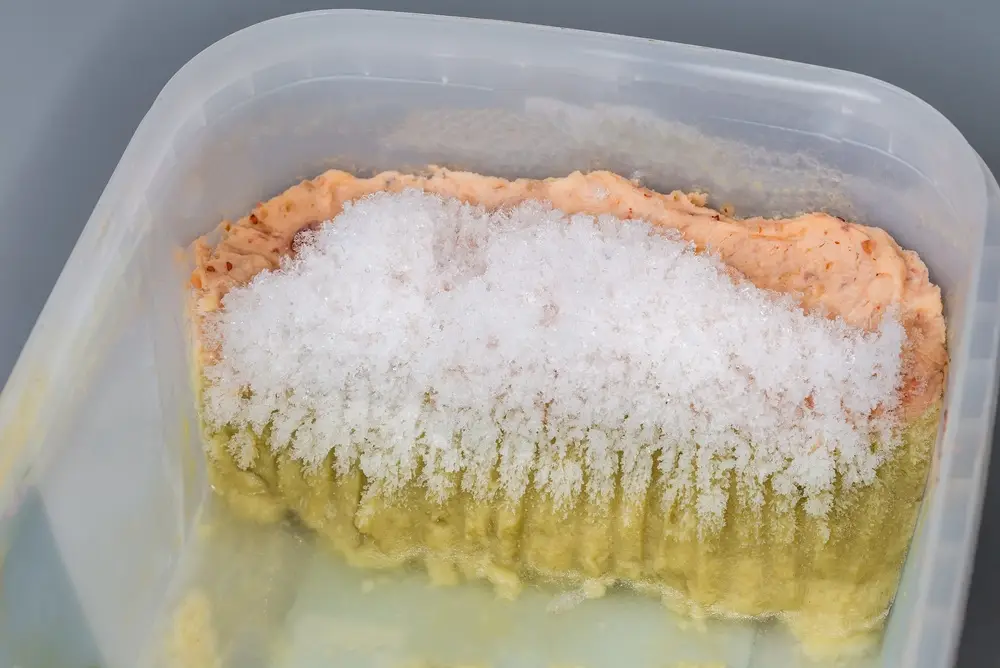
Freezers have strict rules too. You must keep your frozen goods at -18°C or colder to prevent spoilage. While a freezer that stays slightly too warm might not melt your ice cream right away, it allows ice crystals to form and ruins the quality of your food. Our professional technicians suggest checking your digital displays against a manual thermometer to ensure accuracy. If your readings seem off, you should look into commercial fridge repair to calibrate your sensors before the inspector arrives. Our experts at Freedom Appliances can fix these calibration issues quickly so you stay within the legal limits.
Mastering Your Temperature Logs
AHS inspectors love paperwork. They want to see proof that your fridge worked perfectly every day for the last several months. Many Calgary business owners forget to fill out their temperature logs. This mistake acts as a major red flag during an inspection. We suggest you record the temperature of every cooling unit at least twice a day. Our team recommends doing this once when you open and once before you close.
A good log should include the date, the time, the specific unit name, the temperature, and the initials of the staff member. If you notice a temperature spike, do not just ignore it. Write down what you did to fix it. For example, if a staff member left a door open, note that the temperature returned to normal after you closed it. This shows the inspector that you are proactive about food safety. If the temperature stays high despite your efforts, it is time to call for commercial fridge repair to protect your stock. Keeping these logs organized in a binder makes the inspector’s job easier and shows them that you run a tight ship.
Common Fridge Violations To Avoid
Many health code violations have nothing to do with the motor or the gas. Inspectors often find issues with how food sits inside the fridge. You must store raw meat on the bottom shelves to prevent juices from dripping onto ready-to-eat items. Also, avoid over stuffing your shelves. Refrigerators need air to circulate to stay cold. If you block the fans with boxes or crates, the motor will work too hard and eventually break down. We see this happen often in small kitchens that try to fit too much into one reach-in unit.
Another common issue involves the state of your door gaskets. Gaskets are the rubber seals that keep the cold air inside. If they are torn or covered in mold, they become a breeding ground for bacteria and let heat leak into the unit. Our professional technicians often replace these during routine visits to help businesses stay efficient. If you see frost building up around the door, your seals are likely failing. Addressing these small repairs early helps you pass your inspection without a hitch. We check these seals every time we visit a site to ensure your energy bills stay low and your food stays cold.
Cleaning And Maintenance For Compliance
A clean kitchen is a safe kitchen. AHS inspectors look at the cleanliness of your fridge both inside and out. You should wipe down shelves weekly to prevent spills from turning into health hazards. However, the most important cleaning happens where you cannot see it. Dust and grease build up on the condenser coils over time. This makes the fridge run hotter and less efficiently. When the coils get too dirty, the system might fail entirely during a heatwave.
Our professional technicians suggest a deep clean of your coils at least twice a year. In a dusty environment or a high-traffic kitchen, you might need it more often. If your coils are clogged, your fridge might struggle to stay below that critical 4°C mark on a hot Calgary summer day. Regular maintenance ensures your equipment stays reliable and helps you avoid the need for emergency commercial fridge repair right before a big weekend. Our team at Freedom Appliances handles this dirty work for you so your staff can focus on cooking.
Why Professional Help Makes A Difference
While your staff can handle daily cleaning and logging, some things require a specialist. Our team can perform a full diagnostic check on your system to find hidden problems. We check refrigerant levels, test the defrost timers, and ensure the thermostat stays accurate. Having a service record from a professional company shows the AHS inspector that you take equipment maintenance seriously. It proves that you do not just wait for things to break before you take action.
If you are worried about an upcoming inspection, we can help you prepare. We know exactly what Calgary inspectors look for and can fix any issues on the spot. This proactive approach saves you from the stress of a re-inspection fee or a formal warning. We pride ourselves on helping local businesses thrive by keeping their cooling systems in top shape. You can always contact us to schedule a pre-inspection tune-up for your kitchen.
Keeping Your Business Running Smoothly
A failed inspection can hurt your business more than just a fine. Word travels fast in Calgary, and a yellow or red card on your door can scare away loyal customers. We want to make sure that never happens to you. By following the AHS guidelines and keeping your equipment in good repair, you build trust with your community. Our professional technicians are always ready to support you with expert advice and fast service.
Reliable refrigeration is the backbone of any food business. When your fridges work perfectly, your food stays fresh, your customers stay happy, and your energy bills stay manageable. We focus on the technical side of things so you can focus on making great food. Whether you need a quick repair or a long-term maintenance plan, Freedom Appliances stands ready to help. We treat every kitchen like it is our own because we know how much your business means to you.
Frequently Asked Questions
What temperature should my commercial fridge stay at?
Your fridge must always stay at 4°C (40°F) or colder. This temperature prevents harmful bacteria from growing on your food. We recommend keeping it slightly lower, around 2°C or 3°C, just to give yourself a safety buffer.
How often does AHS inspect restaurants in Calgary?
AHS usually visits high-risk businesses like full-service restaurants at least once or twice a year. However, they can show up at any time without a phone call. Staying prepared every day is the best way to handle these surprise visits.
What should I do if my fridge temperature rises above 4°C?
First, check if someone left the door open or if you just loaded a lot of warm food inside. If the temperature does not drop within an hour, move your perishable food to a working cooler. After you secure your food, call for professional help to find the source of the problem.
Why is my fridge leaking water on the floor?
Water leaks usually happen because of a clogged drain line or a cracked drain pan. This can lead to a slipping hazard and a health code violation. Our team can quickly clear these lines to keep your floor dry and safe.
Do I really need to keep a manual temperature log?
Yes, AHS inspectors expect to see a written or digital record of your temperatures. Even if your fridge has a digital display on the front, a manual log proves that your staff is actually checking the equipment.
Can I repair my own commercial fridge?
Commercial units are very complex and use special refrigerants. Trying to fix them yourself can void your warranty or cause more damage. It is much safer to let our professional technicians handle the repairs to ensure everything meets safety codes.