In busy commercial kitchens, refrigeration systems run almost nonstop. However, many business owners focus only on temperature settings and ignore the space around the unit. That missing detail often becomes the reason compressors fail earlier than expected. At Freedom Appliances, ventilation problems are one of the most common causes behind major refrigeration breakdowns.
Proper airflow allows heat to escape from the condenser coils. Therefore, when that airflow becomes restricted, internal components begin operating under extreme stress. Over time, this hidden strain reduces efficiency, increases energy consumption, and eventually leads to compressor burnout.
Why Ventilation Matters More Than Most Businesses Realize
Every commercial refrigerator removes heat from inside the cabinet and releases it into the surrounding air. However, if the space behind or above the unit is too tight, that heat has nowhere to go. The compressor must then work harder to maintain the desired temperature.
When hot air circulates back into the condenser area, system pressure rises. Consequently, the compressor runs longer cycles and overheats internally. Continuous overheating weakens internal windings and lubrication systems. Eventually, mechanical failure becomes unavoidable.
We often see this issue in tightly designed kitchens where equipment is installed flush against walls. In many cases, a simple clearance adjustment could have prevented thousands of dollars in repair costs.
How Blocked Airflow Damages the Compressor
Restricted ventilation does not cause immediate failure. Instead, it creates gradual stress that builds over weeks or months. The condenser coils are designed to dissipate heat efficiently. However, dust buildup combined with poor airflow traps heat around the motor.
As a result, the compressor temperature rises beyond its normal operating range. Safety overload protectors may trip repeatedly. Each reset places additional strain on internal components. Eventually, insulation breaks down and electrical shorts develop.
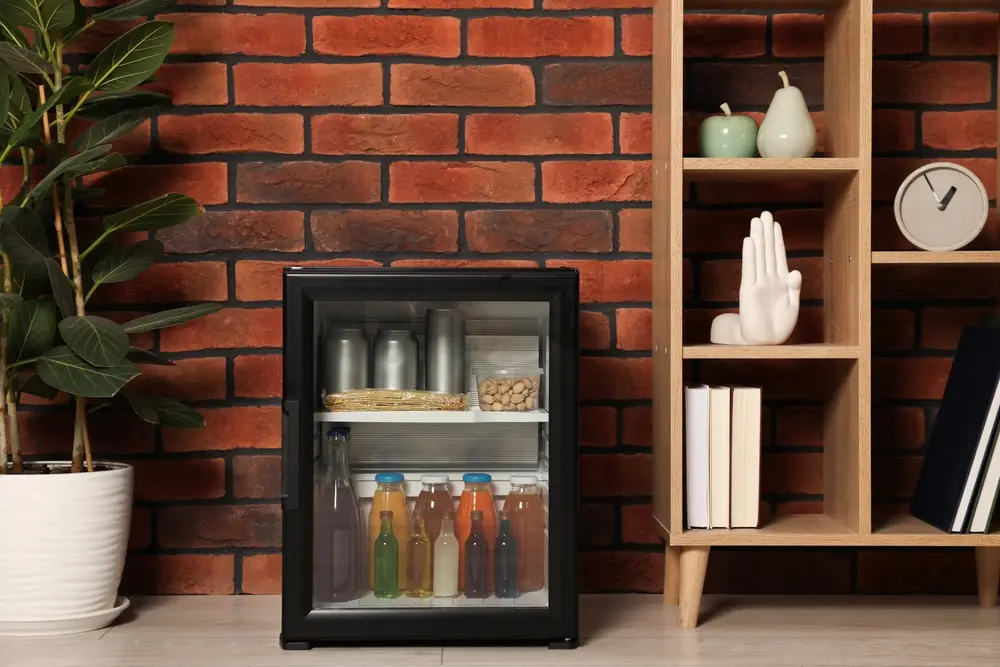
In commercial units such as undercounter models, this problem appears even faster because airflow space is already limited. If your kitchen operates compact equipment, scheduling professional undercounter freezer repair at early warning signs can prevent full compressor replacement.
Signs That Ventilation Is Causing System Stress
Many operators mistake ventilation issues for refrigerant leaks or thermostat problems. However, there are specific warning signals linked to airflow restrictions.
First, the refrigerator may feel excessively hot around the sides or back panel. Secondly, you might hear the compressor running almost continuously without reaching the target temperature. In addition, energy bills may gradually increase without explanation.
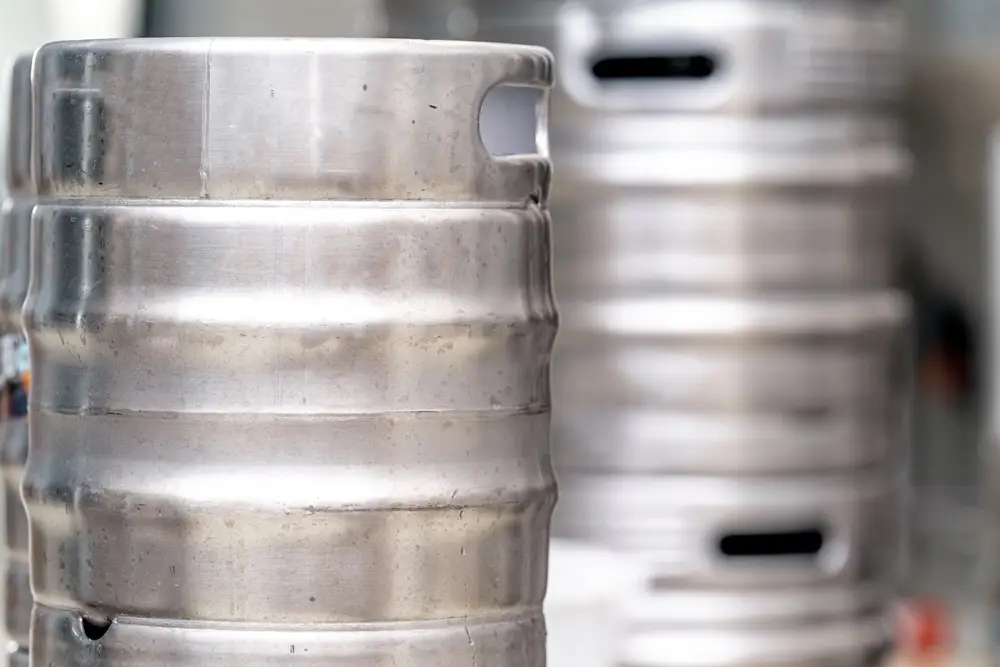
Bottle coolers and keg units installed in tight bar cabinetry are especially vulnerable. If temperatures fluctuate in beverage equipment, a professional inspection such as bottle coolers repair Calgary or keg cooler repair can identify whether poor ventilation is the root cause.
Common Installation Mistakes That Restrict Airflow
Improper spacing during installation remains one of the leading causes of premature compressor failure. Many commercial refrigerators require several inches of clearance behind and above the unit. However, installers sometimes push equipment tightly against walls to save space.
Another common mistake involves placing refrigerators near heat-producing appliances such as ovens or fryers. Meanwhile, grease accumulation on condenser coils further reduces airflow capacity. Without routine cleaning, even properly spaced units can overheat.
We frequently correct installations where ventilation panels are blocked by storage boxes or shelving. In fast-paced kitchens, convenience often overrides airflow requirements. Unfortunately, the compressor pays the price for that oversight.
Long Term Financial Impact of Poor Ventilation
Replacing a commercial compressor is significantly more expensive than maintaining proper airflow. However, many businesses do not connect ventilation to equipment lifespan until failure occurs.
When compressors overheat repeatedly, internal wear accelerates. As a result, refrigerant pressures become unstable and cooling performance declines. Food spoilage risk increases, especially during peak service hours.
In addition, emergency breakdowns disrupt daily operations. Restaurants, clinics, and retail stores rely on consistent refrigeration. Through regular inspection and maintenance provided by Freedom Appliances, businesses across our areas we served reduce downtime and protect long-term equipment investment.
Preventive Steps to Protect Your Compressor
The most effective way to prevent compressor damage is ensuring proper clearance around every refrigeration unit. Manufacturers provide minimum spacing requirements for safe airflow. Therefore, following those specifications should never be optional.
Routine condenser coil cleaning also plays a critical role. Dust and grease buildup act like insulation around the system. Cleaning restores proper heat exchange and reduces motor strain.
Additionally, periodic professional inspections help detect early airflow restrictions before overheating causes permanent damage. Technicians can measure operating pressures, monitor temperature differential, and verify ventilation performance.
If your commercial refrigeration equipment is running longer cycles than usual or feels excessively warm externally, it is important to address the issue quickly. Early intervention is always less costly than compressor replacement.
Why Professional Diagnosis Matters
Ventilation problems often appear similar to other mechanical issues. However, accurate diagnosis requires proper tools and experience. Freedom Appliances performs detailed system checks to determine whether airflow, electrical, or refrigerant factors are causing compressor stress.
A professional technician will inspect spacing, condenser condition, fan operation, and ambient temperature levels. As a result, businesses receive clear answers instead of temporary fixes.
When airflow problems are corrected early, compressors can continue operating efficiently for years. Preventive service protects not only the equipment but also the reputation of your business.
Frequently Asked Questions
1. How much clearance does a commercial refrigerator need?
Most commercial refrigerators require several inches of clearance behind and above the unit. However, the exact measurement depends on the manufacturer’s specifications. Always follow installation guidelines to maintain proper airflow and prevent overheating.
2. Can poor ventilation really cause compressor failure?
Yes, restricted airflow traps heat around the condenser. Over time, excessive heat stresses internal compressor components and leads to premature electrical or mechanical failure.
3. How often should condenser coils be cleaned?
In busy kitchens, coils should typically be cleaned every three to six months. However, high grease environments may require more frequent maintenance to ensure proper heat dissipation.
4. What are early signs of compressor overheating?
Common signs include continuous running cycles, unusually hot exterior panels, frequent overload resets, and rising electricity bills. Early inspection can prevent full compressor burnout.
5. Is compressor replacement more expensive than preventive maintenance?
Absolutely. Preventive ventilation adjustments and coil cleaning cost far less than replacing a failed compressor and dealing with emergency downtime or spoiled inventory.