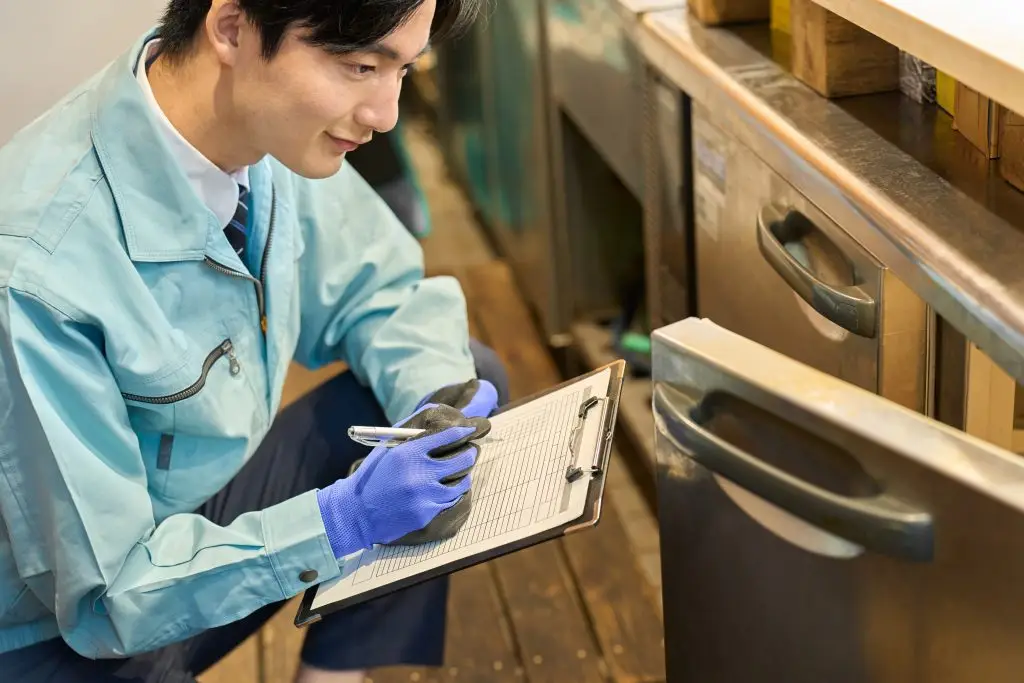
Calgary kitchens move fast, and our team at Freedom Appliances sees how much strain that pace puts on cooling equipment. We work inside many local restaurants, so we understand how a single breakdown disrupts food prep and service. We also see how simple planning can prevent long waits for repairs. Smart scheduling keeps refrigerators and freezers running longer, lowers stress on staff, and limits losses from spoiled items. This approach takes a bit of attention, but it becomes a steady routine once you build it into your weekly flow.
Building a Regular Maintenance Calendar
Every kitchen benefits from a clear plan that repeats on the same days. This routine makes tasks predictable, and it supports the equipment before anything reaches a breaking point. We start with a weekly calendar that focuses on cleaning tasks, small checks, and brief temperature reviews. A steady rhythm helps catch early signs of strain. For example, a small rise in temperature usually shows up before a full equipment failure. As a result, the team can react sooner and reduce long waits during busy evenings. We also see fewer urgent repair calls when restaurants take these moments seriously.
A monthly review works well as the next layer. Our team uses this time to look at door seals, worn interior parts, and any areas that gather grease. A simple wipe or adjustment often solves issues that grow into bigger trouble. Restaurants that want extra guidance often explore commercial refrigeration services in Calgary through commercial refrigeration services in Calgary to keep their schedule consistent. This is usually the anchor that supports everything else.
Organizing Staff Tasks Around Slow Hours
Busy kitchens often push simple equipment care aside because staff focus on service. This is normal, but it adds pressure on refrigerators. We help teams find small windows of time when tasks are easier to complete. Early mornings and short gaps between meal periods work well for quick checks. These moments do not slow service because prep work is lighter and people move at a steady pace.
The goal is to avoid tasks that interrupt workflow. Short, simple duties encourage the team to follow the plan without frustration. Door cleaning, quick temperature notes, and checking that items do not block air flow take less than two minutes. We see the best results when restaurants place a small card beside each unit. It reminds staff what to do and when to do it. A third anchor comes from linking these reminders to actual needs inside the kitchen, not strict rules. Teams respond better when they understand how these steps protect the food and reduce late night problems.
Using Data to Predict Stress on Equipment
Some restaurants rely on guesswork when planning their fridge care. We prefer to use information that already exists in the kitchen. Temperature logs, rush hour patterns, and food delivery schedules help predict when the equipment works the hardest. Once we see these patterns clearly, the team can schedule tasks around them. For example, the units work harder during long prep sessions. We plan checks after these periods, not during them.
In many cases, regular checks also show early signs of frost buildup or weak airflow. These changes appear before temperatures shift, so early discovery prevents major issues. We often encourage teams to review their notes each week. Patterns become easy to spot, and adjustments follow naturally. A third helpful resource is outside advice from technicians who work with similar setups. Many restaurants read guides and repair tips on pages like Calgary refrigeration performance advice, found at Calgary refrigeration performance advice, to learn how to use data from their own units. This type of support helps teams act before trouble grows.
Reducing Stress During Seasonal Peaks
Calgary restaurants see clear seasonal shifts. Hot summers put stress on cooling units, and winter deliveries can bring in warm air quickly. We help teams adjust their schedule based on these seasonal swings. Simple steps, like planning deeper checks before a heat wave, reduce unexpected trouble. Restaurants also adjust inventory patterns to limit how long the doors stay open. This forward planning creates smoother service and less strain on the units.
Seasonal planning also includes training new team members before peak periods begin. Many breakdowns happen because a new staff member leaves doors open longer than needed or blocks vents with large containers. A fifteen minute training session before the busy season prevents these issues. We also encourage small notes placed inside the walk in area to remind staff about vent clearance. This simple action reduces airflow issues during the most demanding weeks.
Balancing Repair Calls With Daily Needs
Restaurants often wait too long before requesting help. We understand that calling for support during a rush feels stressful, but early calls often prevent major downtime. Many issues can be fixed quickly when technicians arrive before the equipment reaches a full stop. We encourage teams to list signs that need attention. These signs include temperature swings, louder than normal sounds, and frost on the interior edges. Once the team learns these signs, decisions become easier.
When teams take notes and reach out early, they also avoid the late night rush calls that slow down the whole kitchen. Planning in this way keeps the workflow smooth. A final anchor connects this planning to real communication with professionals. When the team wants to set up a clear plan for future support, the best move is to contact us, found at contact us. This step builds a steady process that reduces stress for everyone.
Working With Predictable Service Windows
Smart scheduling becomes even more effective when restaurants choose predictable windows for outside support. A set service window each month keeps the equipment aligned with the actual needs of the kitchen. These windows do not need to be long. Even a thirty minute check can make a major difference. We prefer early morning windows, since they rarely interfere with service. Some kitchens choose late afternoon periods, which also work well when the dinner rush starts later.
This structure gives technicians a chance to review the equipment and suggest small improvements. Adjustments to door seals, deep cleaning around coils, and airflow corrections take little time. These small touches reduce the chance of surprise failures. Once this pattern becomes normal, teams spend less time reacting and more time preparing food.
Training Staff to Notice Early Signs
No schedule works well if the staff cannot recognize early trouble. We lead many teams through simple steps that support fast action. These steps begin with basic observation. Does the unit run louder than normal. Does the door close with the same strength as last week. Do items freeze when they should not. Does the temperature drift during slow hours. These small signs appear before major breakdowns. When teams feel confident about reporting these changes, repairs become easier and faster.
We teach staff to write quick notes during their shift. This habit builds a clear picture of how the equipment behaves from day to day. Once the habit forms, it becomes part of the natural workflow. Smart scheduling then becomes more accurate because the team knows what needs attention and when it should be checked.
Planning Around Food Deliveries and Prep Work
Food deliveries create sudden temperature changes inside refrigerators. We help restaurants prepare for this moment by planning quick tasks right after deliveries. This includes checking door closures, clearing vents, and cleaning the floor area around the units. These steps help the equipment recover faster from the warm air brought in during restocking.
Prep work also affects how much strain the refrigerators carry. Large containers often block shelves and vents. This minor issue restricts airflow and raises interior temperature. We show teams how to place items so air moves freely inside. When kitchens follow this pattern, equipment works smoother throughout the day.
Choosing the Best Time for Deep Cleaning
We find that many restaurants delay deep cleaning because the task feels large. Smart scheduling solves this challenge. The best time for deep cleaning is during low prep days. These days differ for every restaurant, but they are easier to find after reviewing weekly sales and staff flow. Once the team knows their slowest day, deep cleaning fits naturally into the schedule.
Deep cleaning removes hidden dirt from seals, fans, and interior corners. These areas weaken performance when ignored. A focused hour once a month reduces the chance of mid service problems. Once deep cleaning becomes part of the regular schedule, the team benefits from a more stable kitchen that works at a steady pace.
FAQ
How often should restaurants check temperatures
A quick check once each shift works well. This simple habit helps staff notice early changes before they grow into major issues.
What signs show that a fridge needs attention
Strange sounds, warm spots on shelves, and frost at the edges often appear early. These signs should be reported right away.
When is the best time to plan deep cleaning
The best moment is during your slowest day each week. This avoids disruption and allows the equipment to rest after cleaning.
What tasks help keep airflow strong
Moving large containers away from vents and keeping shelves tidy helps air circulate through the entire unit.
Why should seasonal changes matter for scheduling
Seasonal heat and frequent deliveries force refrigerators to work harder. Planning ahead reduces strain and lowers the chance of breakdowns.