Commercial refrigeration works best when conditions stay stable. However, frequent door openings quickly disrupt that balance and lead to temperature loss. At Freedom Appliances Calgary, this is one of the most common issues we see in restaurants, bars, and commercial kitchens across the city.
Understanding how door activity affects cooling helps you prevent food spoilage, reduce energy costs, and keep your equipment running properly.
Why Door Openings Cause Temperature Loss
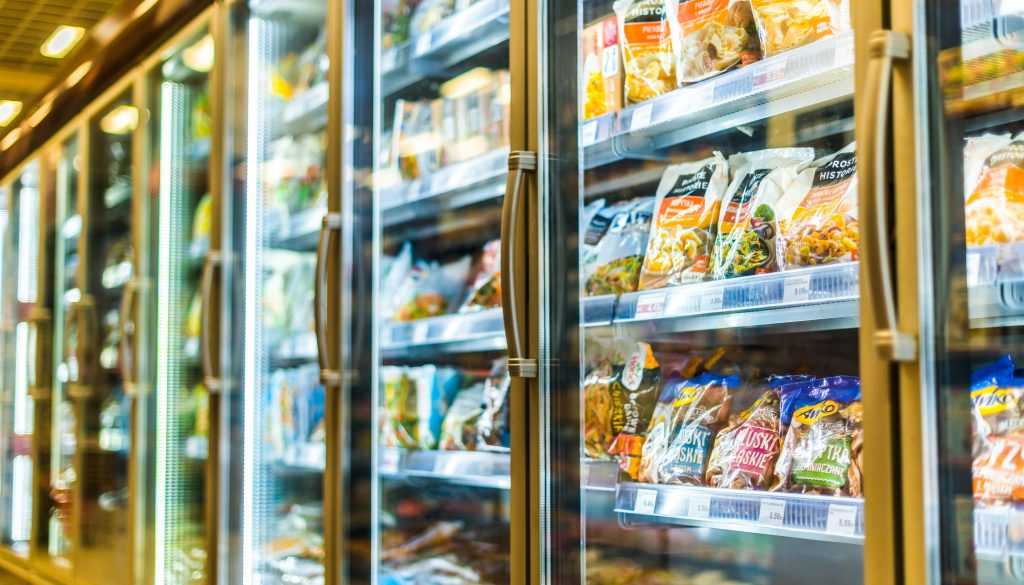
Every time a fridge or cooler door opens, warm air enters and replaces the cold air inside. Therefore, the system must work harder to bring the temperature back down. This process may seem small, but it adds up quickly during busy hours.
In other words, even a few extra seconds of open time can increase internal temperature significantly. For example, in a busy kitchen where doors open dozens of times per hour, the unit may never fully recover between cycles.
As a result, products inside may not stay at safe temperatures. Consequently, this creates risks for food safety and overall storage quality.
How Air Exchange Impacts Cooling Efficiency
Cold air is dense and stays low inside the unit. However, when the door opens, that cold air spills out while warmer air enters from outside. This constant exchange makes the compressor run more often.
Furthermore, the refrigeration system is designed for controlled conditions. When those conditions change frequently, efficiency drops. In addition, components such as fans and coils experience more strain over time.
That is why many businesses start noticing uneven cooling or longer recovery times. If this continues, professional support from experts in commercial fridge repair becomes necessary to restore proper performance.
Common Signs of Temperature Loss Issues
Temperature loss caused by door openings does not always show immediately. However, there are clear warning signs you should not ignore.
Firstly, you may notice condensation forming inside the unit. Secondly, products near the front may feel warmer than items at the back. Moreover, the compressor may run continuously without reaching the desired temperature.
For instance, undercounter units often struggle the most because they are opened frequently. In such cases, timely undercounter freezer repair helps prevent further damage.
Above all, inconsistent temperatures are a clear sign that airflow and cooling balance are being affected.
The Role of Staff Habits in Temperature Stability
Employee habits play a major role in how often and how long doors stay open. Therefore, simple operational changes can make a big difference.
For example, planning ahead before opening the door reduces unnecessary exposure. Similarly, closing the door quickly after retrieving items helps maintain internal temperature.
In addition, organizing products properly reduces search time. When everything is easy to find, doors stay open for shorter periods. Consequently, the system can maintain stable cooling more effectively.
At Freedom Appliances Calgary, we often advise businesses to combine good habits with proper maintenance for the best results.
Equipment Types Most Affected
Not all refrigeration units respond the same way to frequent door openings. Some systems are more sensitive due to their design and usage.
Bottle coolers, for instance, are opened constantly in bars and restaurants. Therefore, they are highly prone to temperature fluctuations. Regular bottle cooler repair Calgary ensures they keep up with demand.
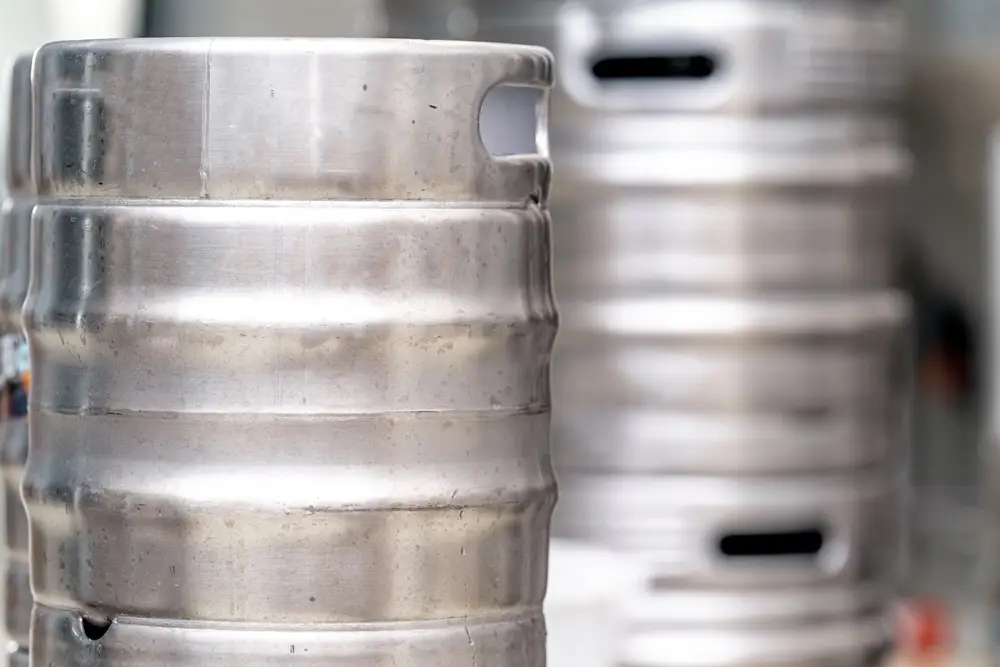
Keg coolers also face similar challenges. Because they are accessed frequently during service, temperature stability becomes harder to maintain. In these cases, proper keg cooler repair helps keep beverages at the right temperature.
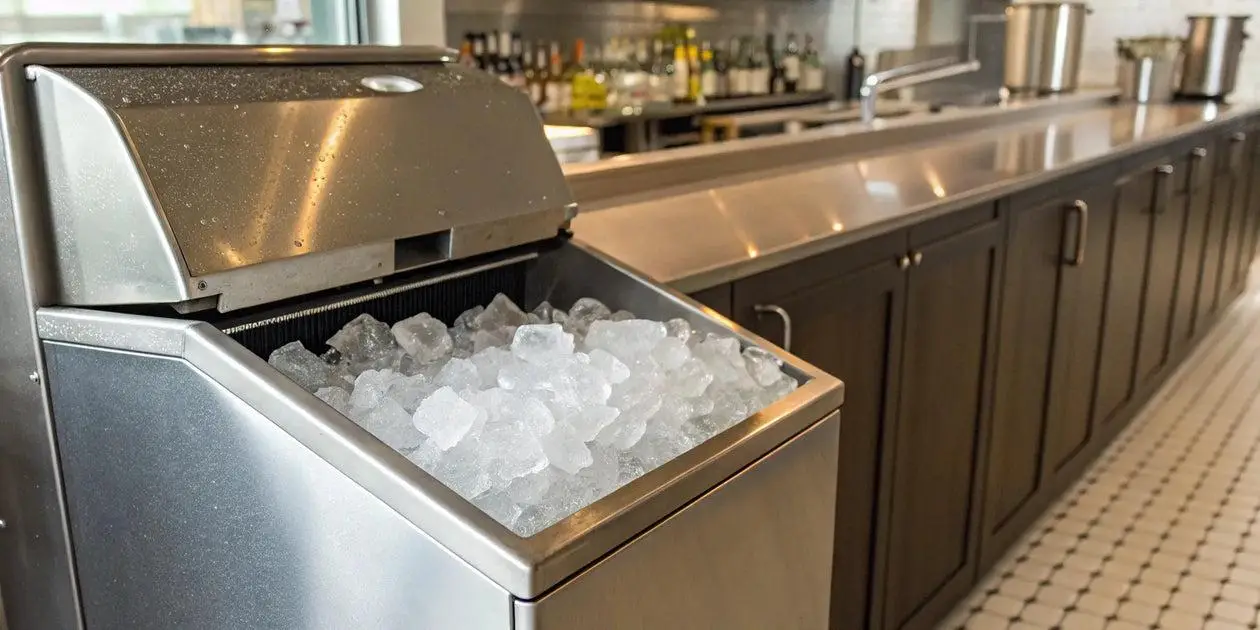
Likewise, ice machines are affected when surrounding temperatures rise due to open fridge doors. That is why timely ice machine repair Calgary is important for consistent ice production.
How to Reduce Temperature Loss
Preventing temperature loss does not require complex changes. Instead, focusing on simple steps can improve performance significantly.
Firstly, ensure door seals are in good condition. If seals are worn or damaged, cold air escapes even when the door is closed. Secondly, avoid overloading the unit, as this restricts airflow.
Moreover, installing strip curtains or self-closing hinges can help reduce air exchange. These small upgrades make a noticeable difference in busy environments.
Meanwhile, regular maintenance keeps components working efficiently. Cleaning coils, checking fans, and monitoring thermostat accuracy all contribute to stable temperatures.
When to Call for Professional Help
Sometimes, even with proper habits, temperature issues continue. In such cases, there may be deeper mechanical problems.
For example, a weak compressor or faulty thermostat may prevent the unit from recovering after door openings. Similarly, airflow issues inside the cabinet can create uneven cooling zones.
Therefore, it is important to address these problems early. At Freedom Appliances Calgary, we inspect the system, identify the cause, and restore proper cooling performance.
In conclusion, frequent door openings are unavoidable in commercial settings. However, understanding their impact and taking the right steps ensures your refrigeration system stays reliable and efficient.
FAQs
How quickly does temperature rise when a fridge door is opened?
Temperature can begin rising within seconds. However, the longer the door stays open, the more significant the temperature loss becomes.
Can frequent door openings damage my fridge?
Yes, over time it increases strain on the compressor and other components, which may lead to faster wear and breakdowns.
Why are products near the door warmer?
Because warm air enters from the front, items near the door are exposed first and experience higher temperature fluctuations.
Do door seals affect temperature loss?
Absolutely. Damaged or loose seals allow cold air to escape continuously, even when the door is closed.
How can I reduce door-related temperature issues?
Train staff to minimize open time, organize products efficiently, and schedule regular maintenance to keep the system working properly.