In a busy commercial kitchen, refrigeration equipment runs almost nonstop. However, when a commercial fridge starts turning on and off too frequently, it signals a problem known as short cycling. This issue may seem minor at first. Over time, it can lead to higher energy bills, food safety risks, and serious compressor damage.
At Commercial Fridge Repair Calgary, we regularly diagnose short cycling in restaurants, cafes, bars, and food service facilities. Therefore, understanding why it happens and how to prevent it can help business owners avoid unexpected breakdowns and costly downtime.
What Is Short Cycling in a Commercial Fridge?
Short cycling occurs when the refrigeration system turns on, runs for a brief period, then shuts off before completing a full cooling cycle. Instead of maintaining a steady internal temperature, the unit constantly restarts. As a result, internal components experience excessive wear.
A properly functioning commercial refrigerator should run long enough to reach the desired temperature and then rest. However, when short cycling begins, the compressor is forced to start repeatedly. This pattern increases electrical stress and reduces the lifespan of critical components.
In commercial settings, the risk is higher because doors open frequently and ambient temperatures fluctuate. Consequently, even a small mechanical issue can quickly escalate into a major repair if not addressed promptly.
Common Causes of Commercial Fridge Short Cycling
Several technical and environmental factors can trigger short cycling.
Dirty Condenser Coils
Condenser coils release heat from the refrigeration system. When they become clogged with grease and dust, heat cannot dissipate properly. As a result, the system overheats and shuts down prematurely to protect itself.
Over time, the compressor restarts repeatedly, leading to excessive strain. Routine coil cleaning significantly reduces this risk.
Faulty Thermostat or Temperature Control
If the thermostat inaccurately reads internal temperatures, it may signal the system to shut off too early. Meanwhile, the actual temperature inside the fridge may still be above safe levels.
Inaccurate controls not only cause short cycling but also compromise food safety standards. Replacing or recalibrating the temperature control often resolves this issue.
Refrigerant Level Problems
Low refrigerant levels or leaks disrupt the cooling process. Consequently, the system struggles to maintain consistent pressure and cooling output. This imbalance can cause rapid on-and-off cycles.
Only trained technicians should inspect refrigerant systems. Improper handling can worsen damage and increase repair costs.
Airflow Restrictions
Blocked vents or overstocked shelves prevent proper air circulation inside the unit. Therefore, cold air fails to distribute evenly, causing uneven cooling and unnecessary cycling.
Proper product organization and ventilation maintenance help prevent airflow-related stress.
Why Short Cycling Is Dangerous for Commercial Equipment
Short cycling does more than increase energy consumption. Above all, it places heavy stress on the compressor, which is one of the most expensive components in a commercial fridge.
Frequent starts draw high electrical current. Over time, this can cause overheating, motor failure, or electrical damage. As a result, what could have been a minor service call may turn into a full compressor replacement.
Businesses relying on undercounter freezers are particularly vulnerable. For example, if an undercounter unit begins short cycling, stored products may thaw and refreeze. In such cases, professional undercounter freezer repair becomes necessary to prevent food loss and operational disruption.
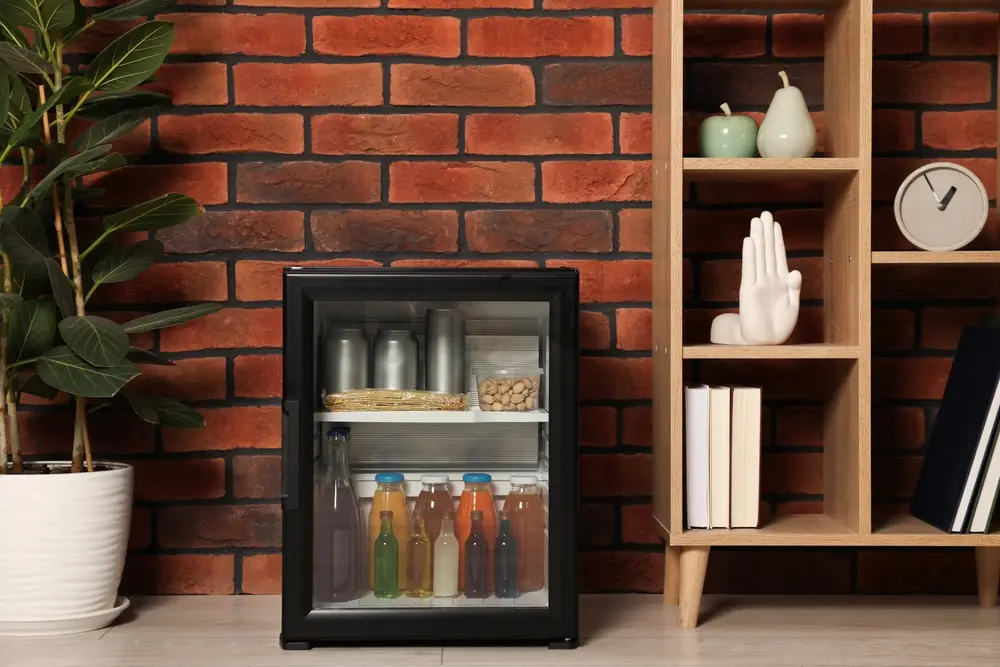
Bars and beverage-focused establishments also face risks. Bottle coolers experiencing short cycling may fail to maintain consistent drink temperatures. Therefore, timely bottle coolers repair Calgary helps maintain both equipment reliability and customer satisfaction.
How to Prevent Major Damage from Short Cycling
Preventative maintenance remains the most effective way to reduce the risk of short cycling.
Schedule Regular Inspections
Routine inspections identify early warning signs before they escalate. Technicians can test thermostats, inspect coils, measure refrigerant pressure, and verify electrical connections.
At Commercial Fridge Repair Calgary, preventive service helps businesses avoid unexpected shutdowns. In addition, regular maintenance improves energy efficiency and extends equipment lifespan.
Keep Coils and Components Clean
Grease buildup is common in commercial kitchens. However, condenser coils must remain clean for proper heat exchange. Cleaning schedules should match the kitchen environment’s intensity.
Likewise, ensuring fans operate correctly prevents airflow imbalances that contribute to cycling problems.
Monitor Temperature Consistency
Using digital monitoring tools allows operators to track temperature fluctuations. If internal temperatures shift frequently, it may signal early short cycling.
Addressing irregular readings immediately prevents long-term mechanical damage.
Avoid Overloading Equipment
Overstocking limits airflow and forces the compressor to work harder. Consequently, internal temperatures fluctuate more frequently, triggering rapid cycling.
Maintaining recommended storage limits supports consistent performance.
When to Call for Professional Repair
If your commercial fridge turns on and off every few minutes, makes unusual noises, or struggles to maintain temperature, professional inspection is necessary.
Keg coolers are another common source of short cycling issues, especially in high-volume bars. For example, temperature inconsistencies can affect beverage quality and pressure balance. In these cases, prompt keg cooler repair protects both equipment and product integrity.
Businesses operating across different regions may experience varying environmental conditions that affect refrigeration systems. Through our areas we served, Commercial Fridge Repair Calgary supports commercial kitchens and hospitality operations with timely diagnostics and reliable solutions.
Ignoring short cycling almost always leads to greater damage. Therefore, early intervention reduces long-term repair costs and prevents operational interruptions.
For more information about preventative maintenance and emergency diagnostics, visit Commercial Fridge Repair Calgary to learn how professional support keeps commercial refrigeration systems running efficiently.
Frequently Asked Questions
1. Is short cycling always caused by a faulty compressor?
No, short cycling often starts with issues like dirty coils, thermostat problems, or airflow restrictions. However, if left unresolved, it can eventually damage the compressor.
2. How often should commercial fridge coils be cleaned?
In busy kitchens, condenser coils should typically be inspected and cleaned every three to six months. Grease-heavy environments may require more frequent maintenance.
3. Can short cycling increase electricity bills?
Yes, frequent compressor starts draw high electrical current. As a result, energy consumption increases significantly compared to normal operation.
4. Is it safe to keep using a fridge that is short cycling?
Continued operation increases the risk of compressor failure and food spoilage. Therefore, scheduling professional inspection quickly is strongly recommended.
5. Does short cycling affect beverage coolers differently than food refrigerators?
The mechanical impact is similar, but beverage systems like keg coolers and bottle coolers may experience pressure and temperature inconsistencies that affect product quality more noticeably.