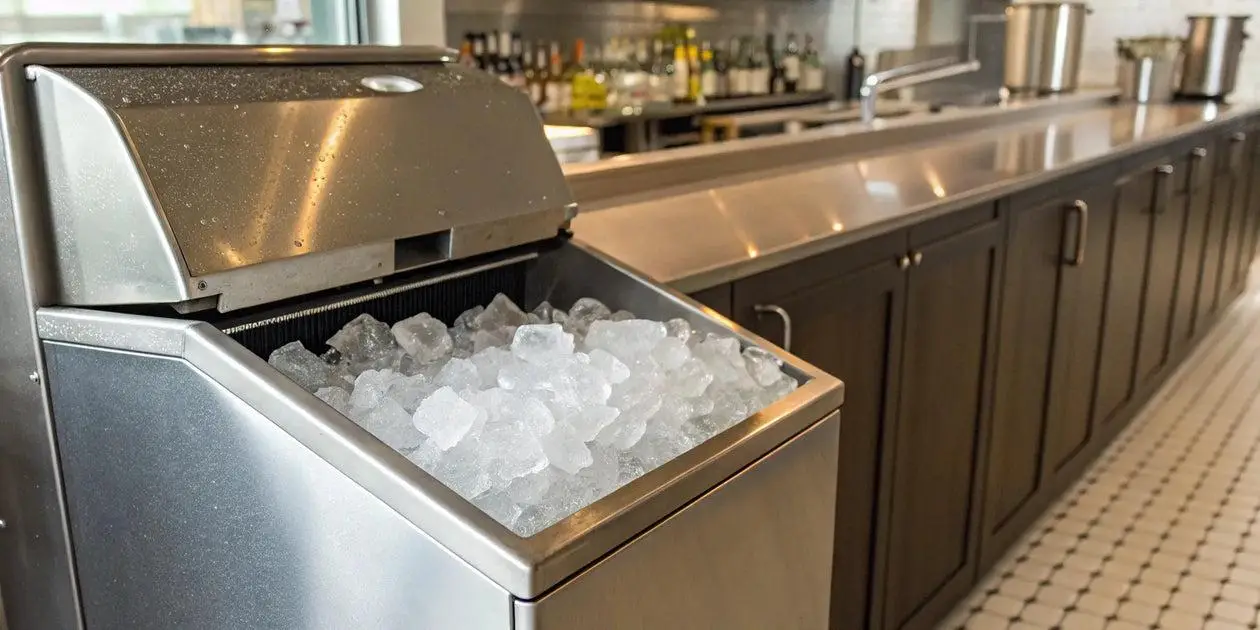
If you’ve ever pulled a handful of ice from your machine and noticed it looks milky, white, or opaque instead of crystal clear, you’re not alone — and you’re right to pay attention. Cloudy ice isn’t just an aesthetic problem. It’s often one of the first visible signs that something is off inside your equipment. At Freedom Appliances, we’ve seen countless Calgary businesses dismiss cloudy ice as a minor quirk, only to face a much bigger breakdown down the line.
Here’s what that murky ice is actually telling you.
Why Clear Ice Matters
Clear ice forms when water freezes slowly and uniformly. This allows air bubbles and dissolved minerals to escape before the water solidifies. The result is a dense, clean-looking cube that melts slowly and doesn’t affect the taste of your drinks.
Cloudy ice forms when water freezes too quickly or when impurities get trapped inside. While it’s not necessarily unsafe to consume, it almost always points to a problem within the machine — a filtration issue, a temperature inconsistency, or a mechanical fault that’s getting worse.
The Most Common Causes of Cloudy Ice
Water Quality and Filtration Problems
This is the number one culprit. When a water filter is overdue for a change, it stops doing its job. Minerals, sediment, and dissolved solids enter the freezing cycle and lock inside the ice. The result is that familiar milky appearance.
Most commercial ice maker repairs start with a simple filter inspection — and it’s surprising how often that restores clear production. If your machine hasn’t had a filter change in six months, that’s your first call to action.
Temperature Fluctuations Inside the Unit
If your system runs warmer than it should, water may freeze inconsistently. Partial thawing and refreezing also contribute to cloudiness, especially when the machine can’t hold a stable internal temperature.
A failing thermostat, a refrigerant issue, or a dirty condenser can all trigger this problem. Left unchecked, temperature faults escalate quickly — especially during Calgary’s warmer months when ambient heat puts extra strain on refrigeration systems.
Drainage and Water Flow Issues
Ice machines need a steady, controlled flow of water over the evaporator plate. A clogged line, a failing water pump, or mineral scale buildup disrupts that flow. Disrupted flow means uneven freezing, and uneven freezing means cloudy ice.
If your machine also produces smaller cubes or cubes fused together, a water flow issue is likely the cause. Act on these signs before the pump fails entirely.
Refrigeration System Faults
Sometimes cloudy ice points to deeper problems — compressor faults, evaporator coil issues, or low refrigerant levels. These faults affect the freezing cycle and often show up in ice quality before any error codes appear.
If your business also relies on an undercounter freezer or a commercial freezer nearby, check those units too. Shared refrigeration infrastructure can spread problems across multiple systems.
When to Call a Technician
Cloudy ice alone might seem minor. But combine it with any of the following, and your system needs professional attention soon:
- Ice production has slowed noticeably
- The machine is louder than usual
- Water is pooling around or beneath the unit
- Ice has an unusual taste or smell
- The unit runs constantly without reaching set temperature
The longer these issues go unaddressed, the more expensive the repair becomes. Freedom Appliances works with commercial kitchens, restaurants, bars, and hospitality businesses across Calgary — handling everything from ice machine repairs to full refrigeration diagnostics.
If your business uses a keg cooler, the same refrigeration faults that cause cloudy ice can affect your draught cooling too. A full system check makes more sense than treating each unit separately.
Don’t Wait for a Full Breakdown
Equipment producing cloudy ice is asking for maintenance. In a commercial setting, ignoring that signal costs more than the repair — it means downtime, lost product, and unexpected failure during a busy service.
Freedom Appliances offers fast, reliable service across Calgary for businesses that can’t afford to wait. Whether it’s a filter swap or a full air conditioning and refrigeration system diagnostic, our technicians come prepared to fix it right.
Clear ice is a standard your customers expect. Make sure your equipment delivers it.
Frequently Asked Questions
Is cloudy ice safe to use in food and drinks?
In most cases, cloudy ice is safe to consume. The cloudiness comes from trapped air bubbles or dissolved minerals, not bacteria. However, it signals that something isn’t working correctly. A failing filter or poor drainage can eventually create a hygiene concern if you leave it unaddressed.
How often should a commercial ice machine be serviced?
Most manufacturers recommend professional service every six months, along with regular filter changes and in-house cleaning cycles. High-usage environments or areas with hard water may need more frequent attention. Consistent maintenance prevents cloudy ice and extends the life of the unit.
Can I fix cloudy ice myself, or do I need a technician?
Start with the basics. Replace the water filter, clean the machine per the manufacturer’s guide, and confirm the unit has proper airflow. If cloudy ice continues after those steps, the cause is likely mechanical. A refrigerant issue, pump fault, or temperature problem needs a qualified technician to diagnose correctly.
Why does my ice machine produce cloudy ice in summer but not in winter?
This pattern usually points to a temperature-related issue. In warmer months, your machine works harder to maintain its freezing cycle. Dirty condenser coils, low refrigerant, or a struggling compressor can’t keep up with the added heat stress. Getting a service done before summer is a smart move.
Does cloudy ice affect the taste of drinks?
Yes, it can. Ice with high mineral content or odours from a poorly maintained machine affects the flavour of water, cocktails, and soft drinks. Clean, clear ice is part of the quality experience your customers expect — and it reflects directly on how well you maintain your equipment.