Every commercial refrigerator makes sound. However, when that sound changes, something inside the unit is telling you something important. Compressors are the engine of your refrigeration system, and the noises they produce often describe exactly what is going wrong. Catching those signals early keeps a minor repair from becoming a full compressor replacement — one of the most expensive fixes in commercial refrigeration.
Most compressor noise problems fall into a few distinct categories: clicking, grinding, rattling, hissing, and humming. Each one points to a different cause. Furthermore, each one carries a different urgency level. Understanding what you hear helps you decide whether to call immediately or schedule a service visit within the week. Freedom Appliances handles commercial fridge repair across Calgary and can diagnose compressor problems before they escalate.
Clicking Sounds
A click when the compressor starts or stops is normal. However, repeated clicking — especially when the unit fails to start afterward — points to a faulty relay or a capacitor that cannot deliver enough power to get the motor running. This is a common issue in units that are several years old. Specifically, the start relay is a small, inexpensive component, but if it fails completely, the compressor will not run at all.
Do not leave a clicking compressor unattended. If the unit cannot start its cooling cycle, temperatures rise quickly. In a restaurant or deli, that means food safety risk within two to four hours.
Grinding and Rattling
Grinding sounds from a compressor almost always indicate internal bearing wear. Bearings keep the compressor motor running smoothly. When they degrade, the metal components they support begin to contact each other directly. Consequently, grinding gets louder over time and eventually leads to complete motor failure.
Rattling sounds, in contrast, often come from loose mounting hardware or vibration against nearby panels. However, rattling can also signal debris inside the compressor housing or a failing fan motor on the condenser unit. If your commercial freezer repair technician finds rattling during a service visit, they will check both internal and external sources before diagnosing the cause.
Hissing and Bubbling
Hissing near the compressor or refrigerant lines points directly to a refrigerant leak. A refrigerant leak is not a DIY repair — it requires a licensed technician with proper equipment. Furthermore, a system low on refrigerant cannot maintain temperatures and forces the compressor to run constantly trying to compensate. That constant run cycle overheats the compressor and dramatically shortens its lifespan.
Bubbling sounds often accompany refrigerant leaks as well. Air enters the refrigerant circuit through the same breach that lets refrigerant out. Specifically, this introduces moisture into the system, which corrodes internal components and breaks down the compressor oil. Left unaddressed, a small refrigerant leak becomes a full system failure.
Bars and pubs should pay particular attention here. A compressor hissing in a beer system can compromise temperature consistency across every tap. Freedom Appliances handles keg cooler repair and can inspect refrigerant integrity in beverage cooling systems as well as standalone commercial units.
Loud Humming
A compressor that hums continuously without cycling off is running constantly. This indicates one of several problems: the unit cannot reach its set temperature, refrigerant is low, the thermostat is reading incorrectly, or the ambient temperature around the unit is too high for the system to function efficiently.
Continuous running burns out compressors faster than almost any other operating condition. Therefore, a loud and constant hum is one of the most urgent warning signs in commercial refrigeration. Address it the same day you notice it.
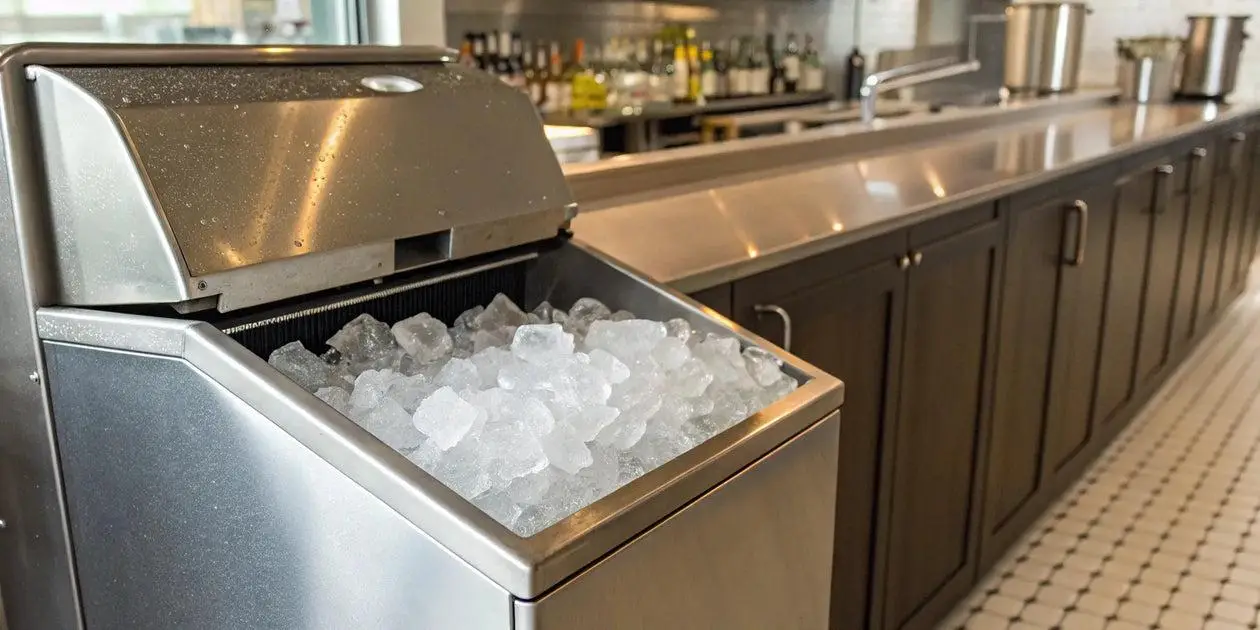
Many businesses schedule ice maker repairs and ignore the adjacent fridge that hums all night. However, these two units often share the same ambient heat environment. If one is struggling, the other usually is as well. Check all nearby units when you identify a compressor problem in one.
Short Cycling and Irregular Sounds
Short cycling — where the compressor starts and stops rapidly in short intervals — stresses the motor and drives up energy consumption. It often appears alongside unusual sounds because the system is working inefficiently. Specifically, a dirty condenser coil, a failing thermostat, or an overcharged refrigerant system can all trigger short cycling.
Furthermore, an overcharged refrigerant system is just as damaging as an undercharged one. Too much refrigerant raises head pressure beyond what the compressor was designed to handle. Only a certified technician can measure and correct refrigerant charge safely.
Ambient Temperature and Compressor Health
Compressors work hardest when the room around them is hot. During Calgary summers, kitchen temperatures rise steeply, especially during peak service hours. Consequently, compressors in hot kitchens run hotter, wear faster, and fail earlier than units in well-ventilated spaces. Freedom Appliances provides commercial AC repair in Calgary, and resolving kitchen cooling issues often extends the service life of your refrigeration compressors considerably.
In 2026, smart commercial fridges increasingly include built-in compressor diagnostics and temperature alerts. These tools send notifications to operators before a minor issue becomes a failure. However, even the best alert system cannot replace a scheduled professional inspection from a licensed refrigeration technician.
When to Call Immediately
Call Freedom Appliances immediately when you hear grinding, hissing, or constant humming that did not exist before. Furthermore, call right away if the unit fails to maintain temperature alongside the unusual sound. These combinations almost always indicate active mechanical failure rather than a component showing early wear.
A compressor replacement for a commercial unit in Calgary can cost several hundred to several thousand dollars depending on the system. However, catching the problem at the relay, the refrigerant line, or the bearing stage costs a fraction of that. Listen to your equipment — it is trying to tell you something.
Frequently Asked Questions
Is it normal for a commercial fridge compressor to make noise all the time?
A steady, low hum during operation is normal. However, if the hum becomes loud, irregular, or continuous without any cooling cycle breaks, the compressor is under stress. Persistent unusual noise always warrants a technician inspection — do not wait until the unit fails completely.
What does it mean when my commercial fridge compressor clicks but does not start?
Repeated clicking without a successful startup usually indicates a failed start relay or a faulty capacitor. Both are relatively inexpensive components, but they must be replaced by a trained technician. Leaving the unit in this state means no cooling and rising food temperatures.
Can a refrigerant leak really damage the compressor?
Yes, severely. Low refrigerant forces the compressor to run longer and harder trying to maintain temperatures. The oil that lubricates the compressor also circulates with the refrigerant — low refrigerant means inadequate lubrication. This causes internal bearing and motor wear that leads to compressor failure.
How much does a commercial fridge compressor replacement cost in Calgary?
Costs vary significantly depending on the unit size and brand. Small reach-in compressors may cost less than a full replacement unit. Larger walk-in or commercial systems cost substantially more. In many cases, catching the problem early at the component level — relay, capacitor, or refrigerant line — avoids the need for a full compressor replacement.
Does the location of my fridge affect compressor lifespan?
Yes. Compressors installed in hot, poorly ventilated areas work harder and fail faster. Keep at least six inches of clearance around the condenser coils and avoid placing units near ovens or direct heat sources. Proper kitchen ventilation and a functioning AC system both directly support compressor longevity.