How to Prevent Undercounter Freezer Emergencies
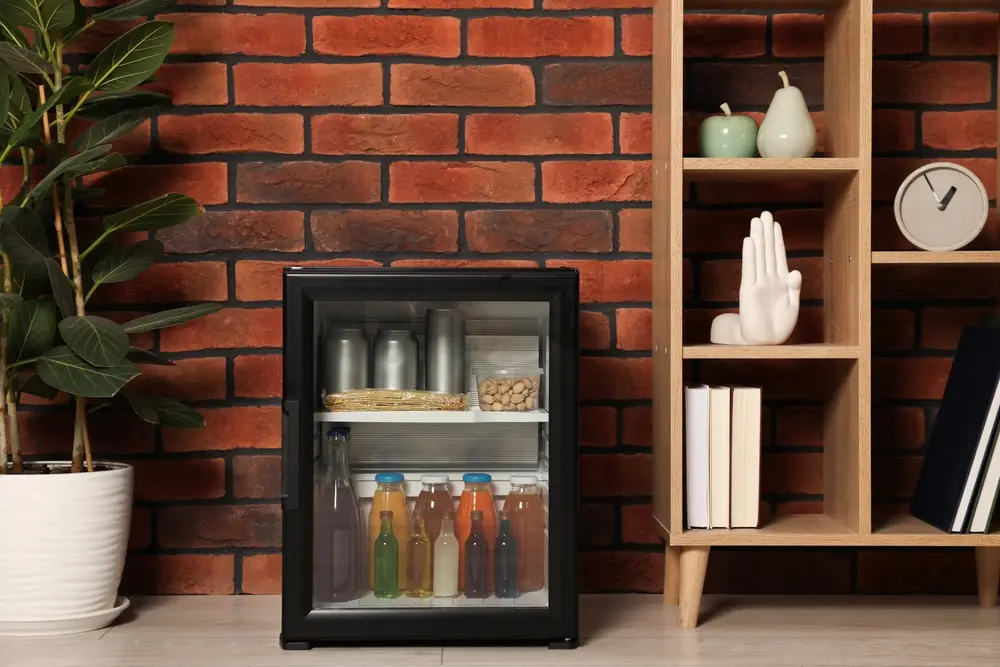
Your undercounter freezer stores ice cream, frozen vegetables, and prepared meals. When it fails, you lose product immediately. Frozen food spoils within hours. Your carefully built inventory becomes waste. Customers want items you can’t serve. Staff scrambles to improvise. An emergency call to your service provider costs money you didn’t budget.
Prevention eliminates these scenarios entirely. Smart restaurant and cafe owners maintain their undercounter freezers proactively. Consequently, they avoid the expensive emergency calls that derail operations.
What Causes Undercounter Freezer Failures
Undercounter freezers work in tight spaces with limited ventilation. Air circulation around these units matters enormously. Kitchen equipment positioned too close blocks airflow. Condenser coils can’t release heat properly. The compressor overworks and eventually fails.
Additionally, kitchen humidity increases compressor strain. Steam from cooking and dishwashing accumulates around the freezer. Moisture enters components. Electrical connections corrode. Metal parts rust. Failure accelerates compared to units in dryer environments.
Furthermore, temperature fluctuations in the kitchen stress the entire cooling system. Your freezer must maintain sub-zero temperatures while surrounded by hot cooking equipment. This creates a constant battle. Regular maintenance tips the balance toward success.
The Critical Role of Condenser Coil Maintenance
Your undercounter freezer’s condenser coil releases heat from refrigerant. In dusty kitchens, coils accumulate debris rapidly. A thin dust layer reduces cooling efficiency by 10-15%. Heavy dust buildup can reduce efficiency by 50% or more.
Consequently, your compressor works overtime trying to overcome this resistance. It runs longer cycles. It generates excessive heat. It wears out prematurely. The solution is simple: clean condenser coils monthly during summer months.
Freedom Appliances includes coil cleaning in their maintenance visits. They use specialized brushes and compressed air. Cleaning takes 15 minutes but extends freezer life by years. This single step prevents the majority of summer breakdowns.
Temperature Monitoring and Thermostat Function
An accurate thermostat keeps your freezer operating within safe parameters. Food safety regulations require freezer temperatures below -18°C. If your thermostat drifts out of calibration, your freezer may not achieve these temperatures.
Check your thermostat accuracy monthly. Compare the thermostat reading to an independent thermometer placed inside. If they differ by more than one degree, calibration is needed. This costs $150-$250 and prevents food safety violations.
Furthermore, modern thermostats include digital temperature displays. You can verify settings instantly. Older mechanical thermostats offer no visibility. If you operate an older undercounter freezer, consider thermostat replacement. The investment prevents guesswork and ensures food safety.
Door Seal Inspection and Replacement
Undercounter freezer doors seal tightly to prevent air leakage. Over time, rubber gaskets harden and crack. Worn seals allow cold air to escape. Your compressor runs constantly trying to maintain temperature. Inevitably, it overheats and fails.
Inspect door seals quarterly. Press your hand against the seal. You should feel resistance. The seal should stick firmly to the freezer frame. If it feels loose or you see visible cracks, replacement is needed. Door gasket replacement costs $75-$150 and prevents far more expensive compressor failures.
Ventilation Space Requirements
Undercounter freezers need at least 3-4 inches of clearance on all sides. This allows hot air released by the condenser to escape. If your kitchen layout doesn’t provide this space, create it. Move equipment. Rearrange storage. Remove obstructions blocking airflow.
Some kitchen designs require ductwork installation to manage condenser heat. This costs $300-$600 but guarantees proper ventilation. Compare that to repeated emergency repairs costing thousands. Proper ventilation is an investment that pays dividends.
Drainage System Maintenance
Freezers develop condensation as moisture-laden air enters through door openings. This water drains through small tubes and exits your freezer. If drain tubes freeze or clog, water backs up inside. Ice accumulates inside the cabinet. Freezing efficiency declines.
Inspect drain tubes monthly. Ensure they’re clear and ice-free. Pour warm water through drains if they seem sluggish. This five-minute task prevents significant problems. If drains remain clogged despite cleaning, a technician can clear them during maintenance visits.
Compressor and Motor Health Assessments
Your freezer’s compressor is the most expensive component. When it fails, repair or replacement costs $800-$1,500. However, technicians can often detect compressor problems months before failure.
Regular inspections include listening to compressor sounds. Unusual noises indicate internal problems developing. Technicians measure amperage draw. Excessive current indicates the compressor is straining. They check discharge line temperatures. Overheating discharge lines reveal cooling system stress.
These diagnostic checks cost nothing during maintenance visits. They provide early warning of developing problems. Consequently, you can plan repairs before emergencies strike.
Preventative Maintenance Schedule for Summer Months
Undercounter freezers work hardest during summer. Commercial freezer repair technicians recommend maintenance visits in May and August. A May visit prepares your freezer for seasonal stress. An August visit catches problems developing under sustained heat.
Each visit includes condenser coil cleaning, drain inspection, gasket evaluation, and compressor assessment. Total time is 45 minutes to an hour. Cost typically runs $150-$200. Over a year, you invest $300-$400 in maintenance. This investment prevents emergency repairs that cost $1,500-$3,000.
Coordinate with Related Equipment
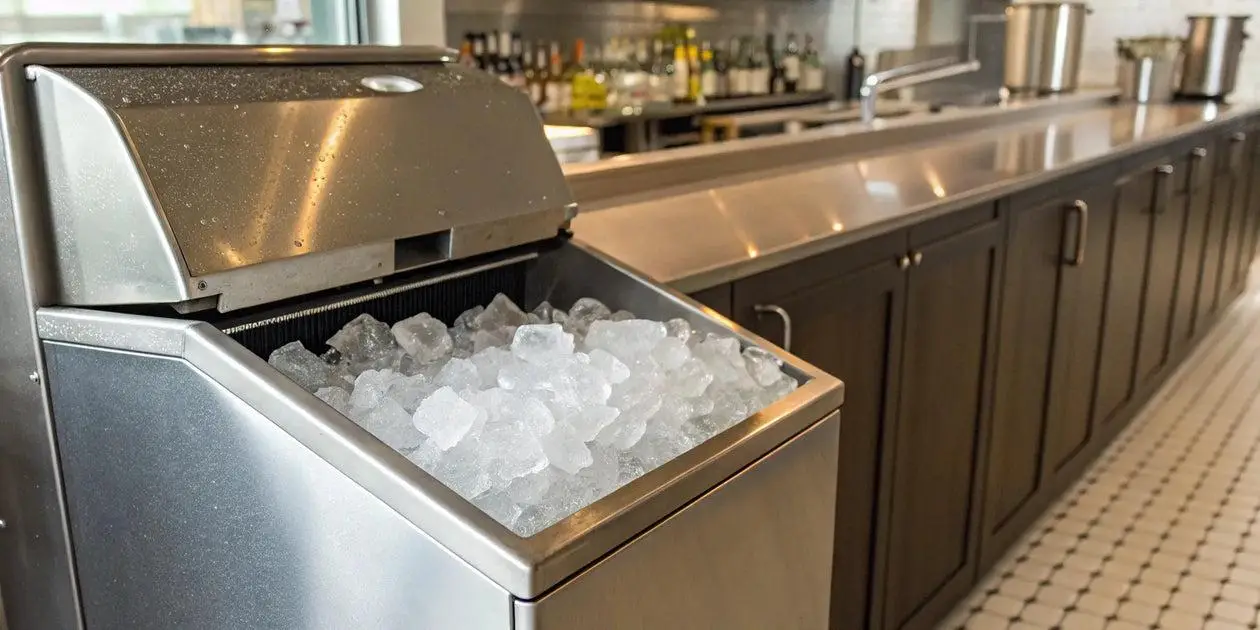
Your undercounter freezer doesn’t operate in isolation. When kitchen air conditioning repair is needed, it affects your freezer. Hot kitchens force freezers to work harder. Simultaneously, other commercial equipment like ice machine repairs and keg cooler repair systems use the same refrigeration principles.
A comprehensive commercial refrigeration assessment evaluates how all systems interact. Freedom Appliances provides this holistic perspective. They identify if your undercounter freezer problems stem from kitchen environmental issues rather than the freezer itself.
Full Commercial Freezer Repair Services
When maintenance isn’t enough and commercial freezer repair becomes necessary, Freedom Appliances responds immediately. They diagnose problems quickly. They explain repairs clearly. They charge fair prices without surprise fees.
Their technicians carry parts in service vans. Same-day repairs are standard. Your freezer returns to operation before you close for the day. Your food stays safe. Your business stays profitable.
Start Your Prevention Plan Today
Don’t let your undercounter freezer become an emergency. Schedule a maintenance visit with Freedom Appliances this month. A technician will evaluate your specific equipment and kitchen conditions. They’ll identify maintenance needs. They’ll recommend preventative steps. Most importantly, they’ll help you avoid the expensive emergency calls that disrupt your business.