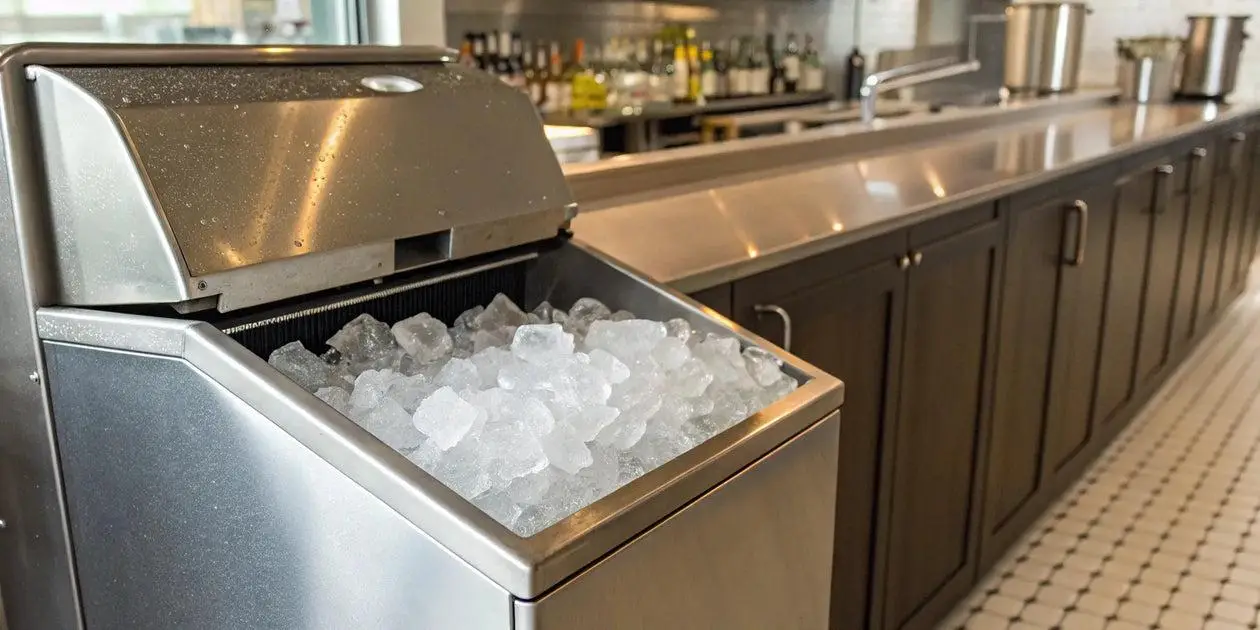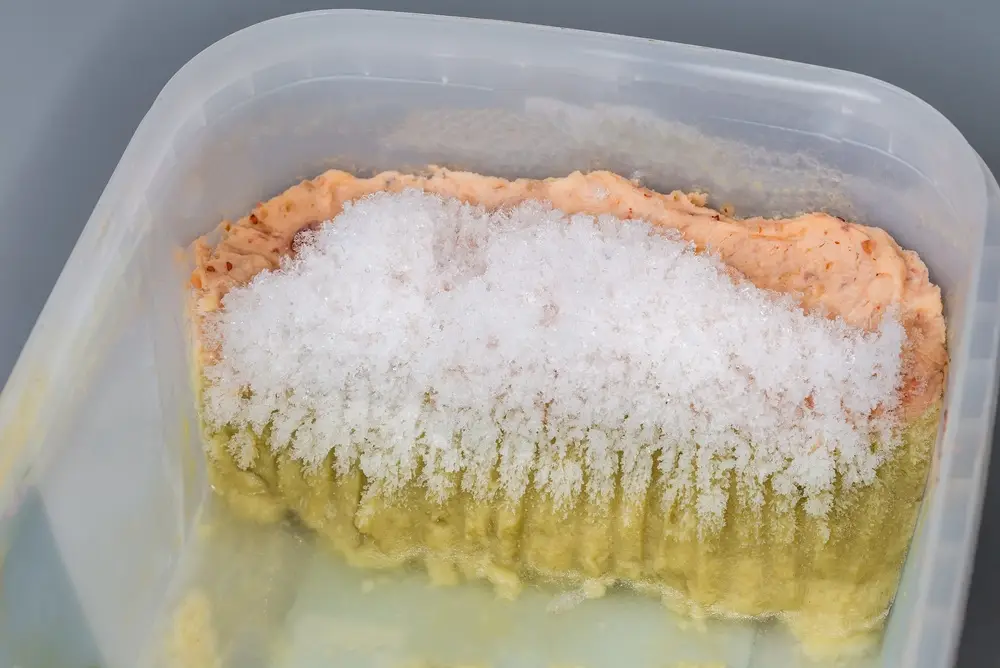
Freedom Appliance fields calls about reach-in freezer temperature fluctuations from bakeries, restaurants, and cafes across Calgary. Staff usually notice the thermometer climbing and dropping instead of holding steady. A reach-in freezer that swings in and out of a safe range puts stored product at risk. This holds true even if the average reading looks acceptable over a full day. Catching the pattern early prevents both spoiled inventory and a bigger repair down the line.
Unlike a slow, steady temperature rise, fluctuations are trickier to diagnose. The unit appears to be working part of the time. Staff may check the freezer at one point in a shift and see a normal reading. A check later in the shift can turn up a reading several degrees off. That inconsistency almost always points to a specific mechanical or electrical cause.
Why Reach-In Freezers Are Prone to Swings
Reach-in freezers have less internal air volume than walk-in units. Any interruption in cooling shows up faster on the thermometer as a result. A compressor that short-cycles, a thermostat that reads inaccurately, or a door that does not seal fully can all cause the internal temperature to drift up and down.
Door traffic plays a bigger role here than many kitchen managers expect. Every time the door opens, warm air rushes in. The compressor then has to work to pull the temperature back down. In a busy kitchen with frequent door openings, this creates a natural rhythm of small fluctuations. Those small swings can turn dangerous if the unit is already under strain from another issue.
Common Causes of Reach-In Freezer Temperature Fluctuations
The table below outlines what our technicians typically find during these service calls.
| Symptom Pattern | Likely Cause | What We Do |
|---|---|---|
| Temperature rises steadily then drops sharply | Short-cycling compressor | Test compressor and start components, check refrigerant charge |
| Swings correlate with door use | Worn gasket or misaligned door | Replace gasket, adjust door hinges |
| Reading drifts slowly over hours | Miscalibrated or failing thermostat | Calibrate or replace thermostat sensor |
| Sudden spikes with frost buildup after | Defrost cycle timing issue | Test defrost timer and heater element |
| Fluctuations worsen during peak service | Airflow blocked by overstocking | Reorganize shelving, verify evaporator fan output |
Diagnosing reach-in freezer temperature fluctuations usually starts with reviewing a temperature log, if one exists. This helps identify whether swings follow a pattern tied to door use, time of day, or defrost cycles. That pattern narrows down the likely cause before any parts are tested.
The Food Safety Risk of Inconsistent Temperatures
A freezer that fluctuates between a safe temperature and a marginal one creates a harder food safety problem than a unit that fails outright. Staff may not realize product has been exposed to unsafe conditions. Repeated freeze-thaw cycles at the edges of the safe range can also affect food texture and quality, even when spoilage is not obvious.
The FDA Food Code calls for frozen food storage that keeps products solidly frozen. Inconsistent readings undermine that standard even if the average temperature looks acceptable on paper. This is one of the clearest reasons fluctuation problems deserve prompt attention rather than a wait-and-see approach.
Checking the Thermostat and Sensor Placement
A surprising number of reach-in freezer temperature fluctuations calls trace back to sensor placement rather than a failing component. The temperature sensor may sit too close to the evaporator coil. It may also sit too far from where product is actually stored. Either way, the reading on the display can misrepresent conditions inside the cabinet.
How airflow moves through a commercial fridge affects sensor accuracy just as much as it affects cooling itself. A technician checks sensor position alongside airflow patterns. This confirms the thermostat reading reflects what is actually happening where food is stored. We apply the same approach during thermostat calibration checks on walk-in units.
Tracking Patterns Before Calling for Service
A simple temperature log, checked and recorded a few times per shift, turns a vague complaint about an unreliable freezer into useful diagnostic information. Noting the time of day helps. So does noting whether the door had recently been opened, and how full the unit was at the time of each reading. These details help a technician spot patterns faster once they arrive on site.
This kind of record also protects a kitchen during a health inspection. Inspectors often ask for evidence that temperature is monitored consistently, not just checked occasionally. A log that shows a business caught and addressed fluctuations promptly demonstrates good food safety practice, even if a mechanical issue did occur at some point.
Reducing Reach-In Freezer Temperature Fluctuations Through Better Habits
Kitchen teams can reduce the frequency and severity of temperature swings with a few consistent habits, even before a technician gets involved.
- Limit door openings during peak service by planning ahead for ingredient pulls
- Avoid overloading shelves near the evaporator fan or air vents
- Keep a simple temperature log to spot patterns before they become emergencies
- Report unusual noises or frost patterns to a technician rather than waiting them out
- Confirm the door seal makes full contact around the entire frame, not just the edges
| Maintenance Task | Recommended Frequency | Why It Matters |
|---|---|---|
| Log internal temperature | Daily | Reveals fluctuation patterns early |
| Inspect door gasket | Monthly | Prevents warm air infiltration |
| Test defrost cycle | Every 2-3 months | Confirms consistent recovery after defrost |
| Verify sensor and thermostat accuracy | Every 3-4 months | Ensures readings reflect true conditions |
Consistent habits like these, paired with a regular preventive maintenance schedule, reduce how often fluctuations reach a level that puts product at risk.
Frequently Asked Questions
Are small reach-in freezer temperature fluctuations normal?
Minor, brief fluctuations tied to door openings are typical. Fluctuations that persist for extended periods or repeat several times a shift usually indicate a mechanical or electrical issue worth investigating.
Can a thermostat calibration issue really cause noticeable swings?
Yes. A thermostat that reads inaccurately can cause the compressor to shut off too early or run longer than needed. Both show up as fluctuations on an accurate thermometer.
How quickly should reach-in freezer temperature fluctuations be addressed?
Frozen food safety depends on consistent temperatures. Fluctuations are worth addressing within a few days of noticing a pattern rather than waiting for a full breakdown.
Does overstocking a reach-in freezer cause temperature swings?
It can. Blocking the evaporator fan or air vents with too much product restricts airflow. This creates uneven cooling that can look like a fluctuation problem even when the compressor is healthy.
Can staff diagnose the cause of fluctuations themselves?
Staff can spot patterns and note when swings happen, which is genuinely useful information. Confirming the actual mechanical or electrical cause still requires a qualified technician with proper testing equipment.
Contact Freedom Appliance
Freedom Appliance serves Calgary and the surrounding area with commercial refrigeration repair. The team works with restaurants, bars, grocery stores, hotels, and healthcare facilities. Reach out directly to book an assessment.
- Phone: (403) 889-6068
- Address: 12447 17 St SW, Calgary, AB T2W 4B5
- Hours: Monday – Friday, 8am – 5pm
- Book online: Freedom Appliance contact page