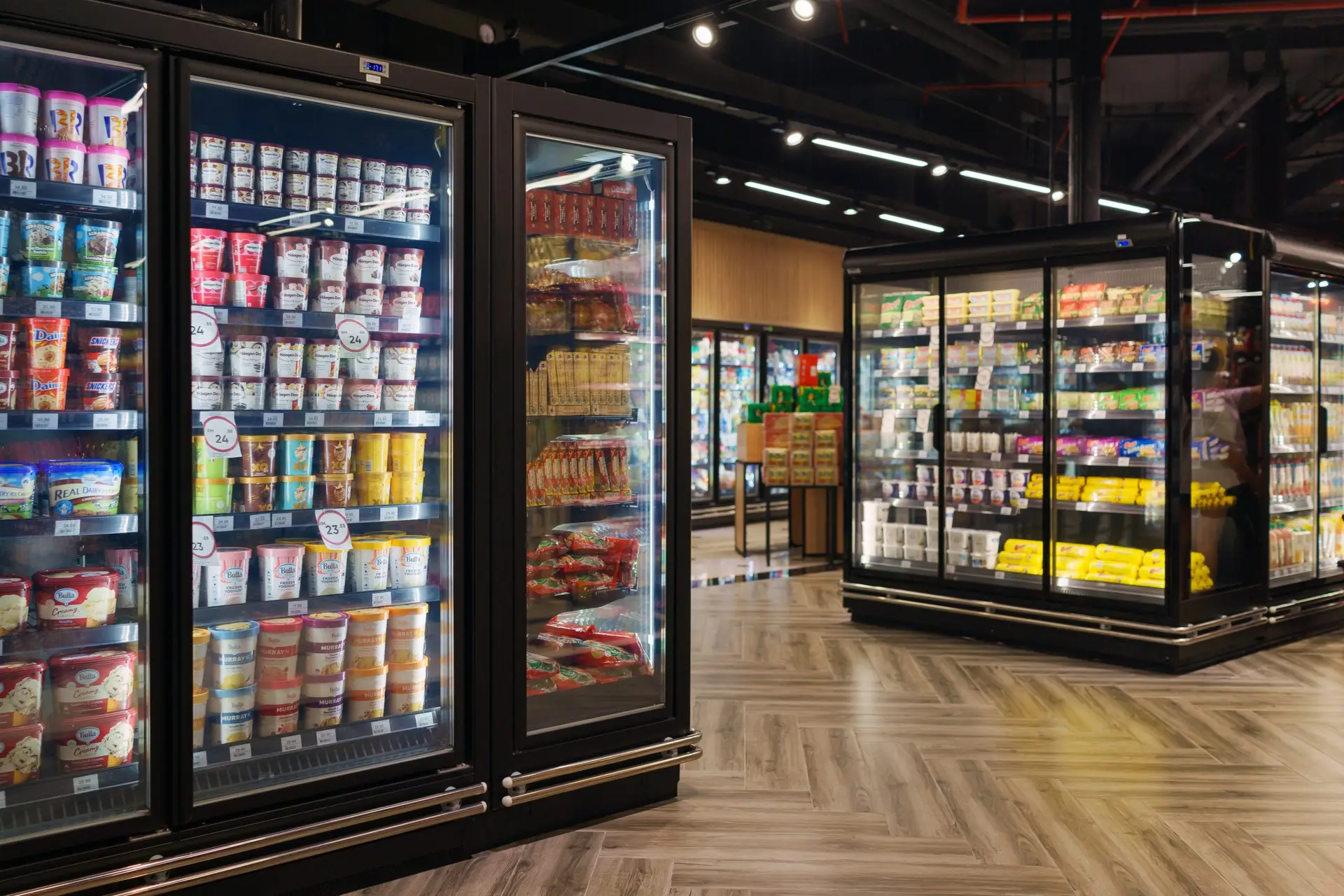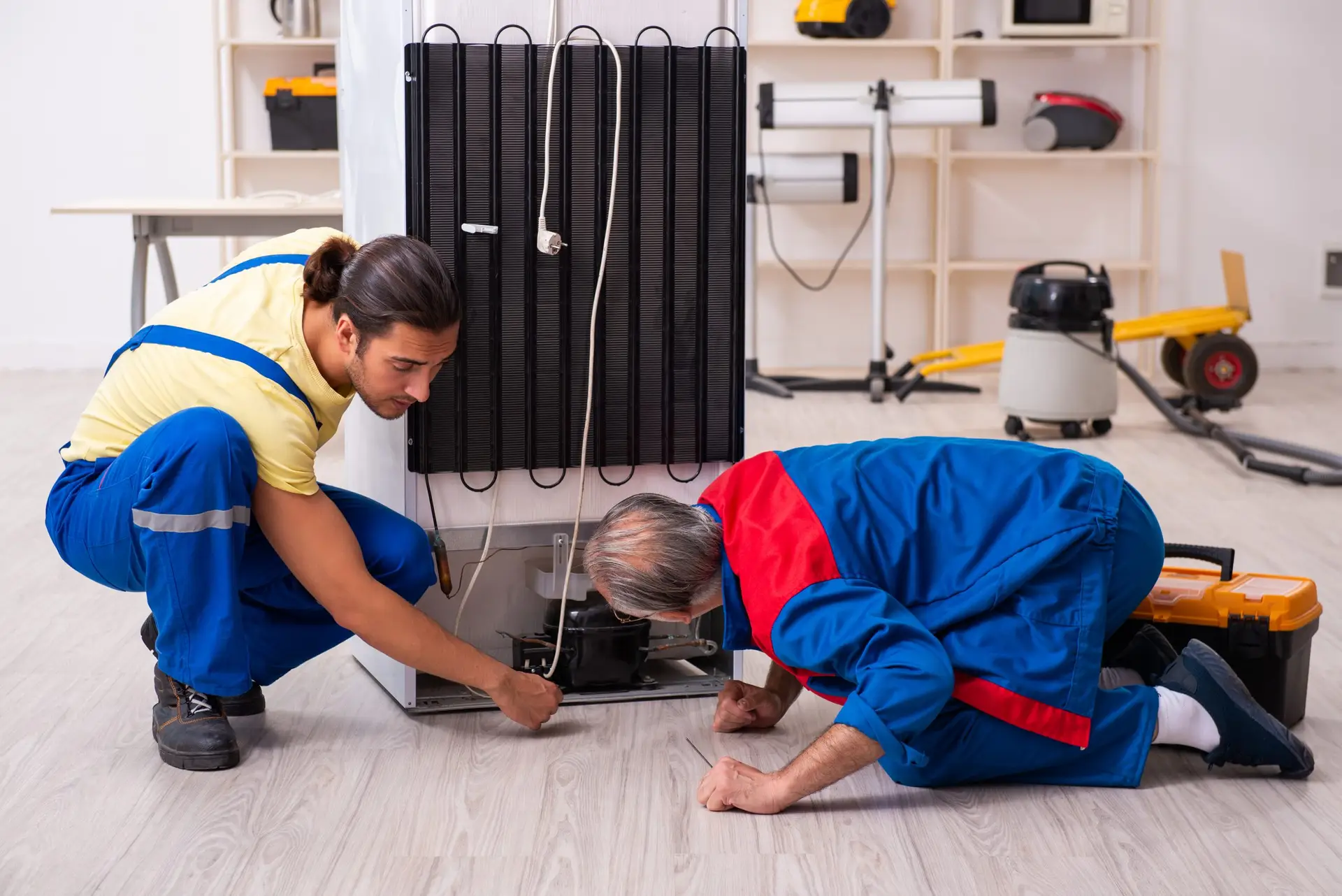
When a walk-in cooler starts freezing products instead of keeping them properly chilled, it quickly becomes a serious problem. Food texture changes, beverages become unusable, and inventory losses begin to add up. At Freedom Appliances Calgary, this issue is one of the most common calls we receive from commercial kitchens and businesses across the city.
However, freezing inside a cooler is not random. It usually points to a specific system imbalance that needs to be corrected before it causes further damage.
Why a Walk In Cooler Starts Freezing
A walk-in cooler is designed to maintain temperatures just above freezing. Therefore, when it drops too low, something in the system is not regulating correctly. In many cases, the problem begins with temperature control rather than the cooling components themselves.
For example, a faulty thermostat can send the wrong signals to the compressor. As a result, the system continues running longer than needed, pushing temperatures below safe levels. Similarly, sensor placement inside the unit can also affect how the system reads internal conditions.
Another common reason is restricted airflow. When air cannot circulate evenly, certain sections become much colder than others. Consequently, products placed near evaporator coils may freeze while other areas remain normal.
The Role of Thermostat and Sensors
Temperature control components play a key role in how your cooler behaves. If the thermostat is not calibrated correctly, it may not shut off the system at the right time. In other words, the cooler keeps running even after reaching the desired temperature.
At Freedom Appliances Calgary, we often find that sensors are either damaged or positioned incorrectly. Because of this, they fail to measure accurate air temperature inside the unit. This leads to overcooling and inconsistent performance.
Most importantly, replacing or recalibrating these components is often a quick fix. However, ignoring them can lead to compressor strain and higher energy costs over time.
Airflow Problems That Cause Freezing
Airflow is just as important as temperature settings. A walk-in cooler depends on proper circulation to maintain consistent cooling across all shelves. However, when airflow is blocked, cold air stays concentrated in certain areas.
For instance, overloading shelves or placing products too close to vents can disrupt airflow patterns. As a result, cold air cannot move freely, creating freezing zones near the evaporator.
Dirty evaporator coils can also contribute to this issue. When coils are covered in dust or ice buildup, they cannot distribute air properly. Consequently, the system becomes inefficient and uneven cooling occurs.
If your setup includes beverage systems, issues similar to those found in bottle cooler repair Calgary may also apply here, especially when airflow design is compromised.
Defrost System Malfunctions
Walk-in coolers are designed with defrost cycles to prevent ice buildup. Therefore, when the defrost system fails, ice begins to accumulate on coils and internal surfaces. This buildup restricts airflow and pushes temperatures lower than intended.
In some cases, defrost timers fail to activate properly. As a result, ice continues forming until it affects overall system performance. Similarly, faulty heaters or sensors within the defrost system can prevent proper operation.
This issue is very common in equipment like those handled during ice machine repair Calgary, where ice buildup directly impacts functionality.
Addressing defrost problems early helps restore normal airflow and prevents further freezing issues inside the cooler.
Refrigerant and Pressure Imbalance
Refrigeration systems rely on balanced pressure and proper refrigerant levels. However, when these levels are incorrect, cooling performance becomes unpredictable. In some situations, low refrigerant can cause parts of the system to overcompensate.
On the other hand, excessive refrigerant or pressure irregularities can also lead to overcooling. Consequently, the evaporator may run colder than required, freezing nearby products.
This type of issue requires proper diagnosis using professional tools. At Freedom Appliances Calgary, we always check system pressure and refrigerant levels before making adjustments.
Similar diagnostic approaches are used in keg cooler repair and other commercial refrigeration systems where temperature precision is critical.
When Equipment Layout Causes the Problem
Sometimes the issue is not mechanical at all. Instead, it comes from how the cooler is being used. For example, placing sensitive items too close to cooling components increases the risk of freezing.
In addition, storing products in tightly packed arrangements reduces airflow between items. As a result, cold air cannot distribute evenly, creating pockets of freezing temperatures.
This is especially noticeable in compact systems like those serviced under undercounter freezer repair, where space limitations directly affect airflow and temperature balance.
Adjusting product placement and improving spacing can often solve minor freezing issues without requiring major repairs.
Why Quick Action Matters
Freezing inside a cooler is not just inconvenient. It is a warning sign that the system is not operating correctly. Therefore, delaying repairs can lead to more serious damage, including compressor failure or complete system breakdown.
At Freedom Appliances Calgary, we always recommend addressing the issue as soon as it appears. Early inspection allows small problems to be fixed before they become expensive repairs.
If your cooler is freezing products, it may be time to check your system through commercial fridge repair to restore proper temperature balance and protect your inventory.
FAQs
Why is my walk-in cooler freezing food?
This usually happens due to thermostat issues, poor airflow, or defrost system failure, causing the unit to run longer than required.
Can blocked vents cause freezing in a cooler?
Yes, blocked vents restrict airflow. As a result, cold air builds up in certain areas, leading to uneven temperatures and freezing.
How do I know if my thermostat is faulty?
If temperatures fluctuate or drop below set levels, the thermostat may not be regulating properly and should be inspected.
Is freezing a sign of refrigerant problems?
In some cases, yes. Pressure imbalance or incorrect refrigerant levels can cause parts of the system to overcool.
Should I keep using the cooler if it is freezing products?
It is not recommended. Continued use can damage inventory and strain the system, leading to more costly repairs.