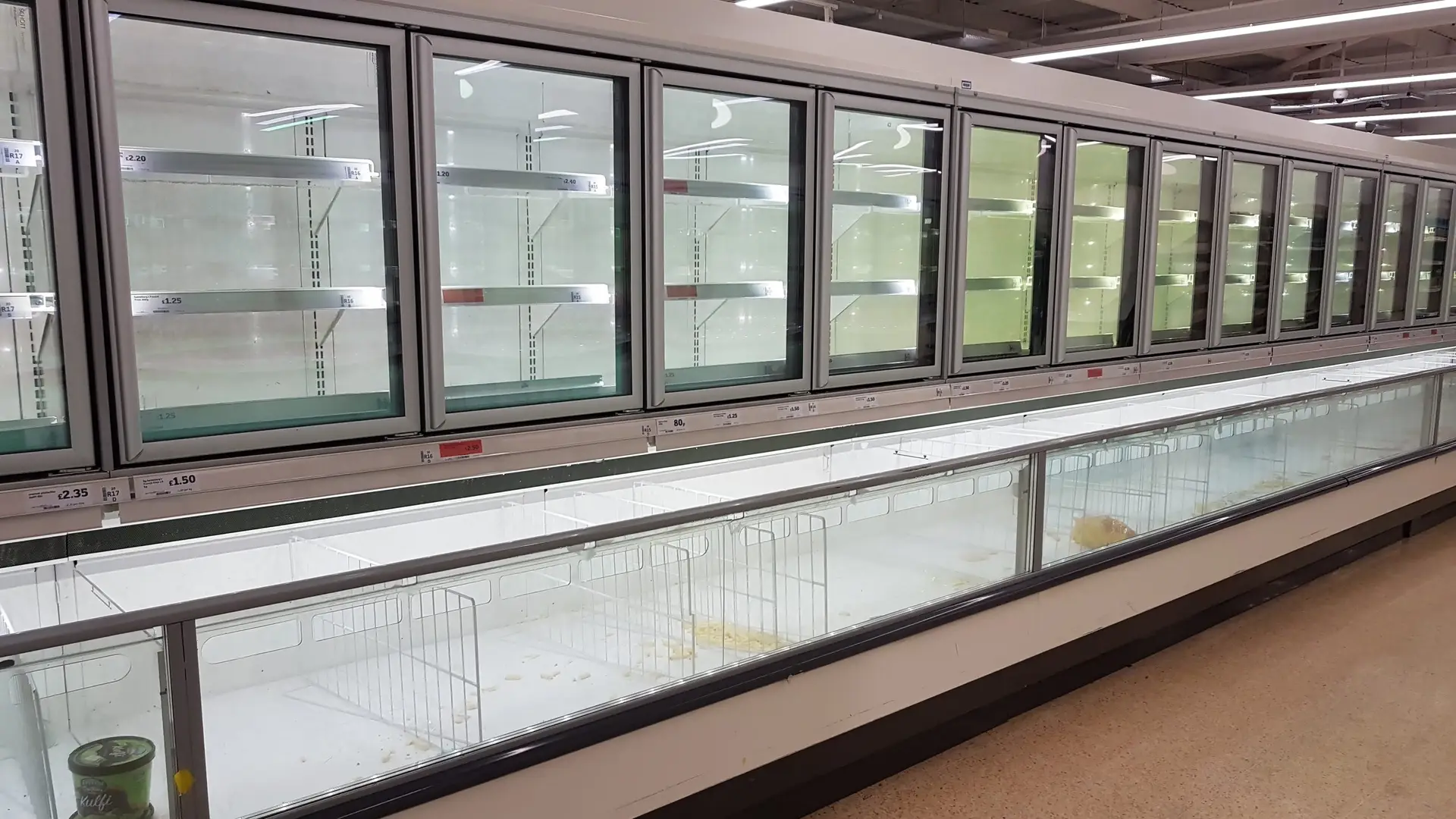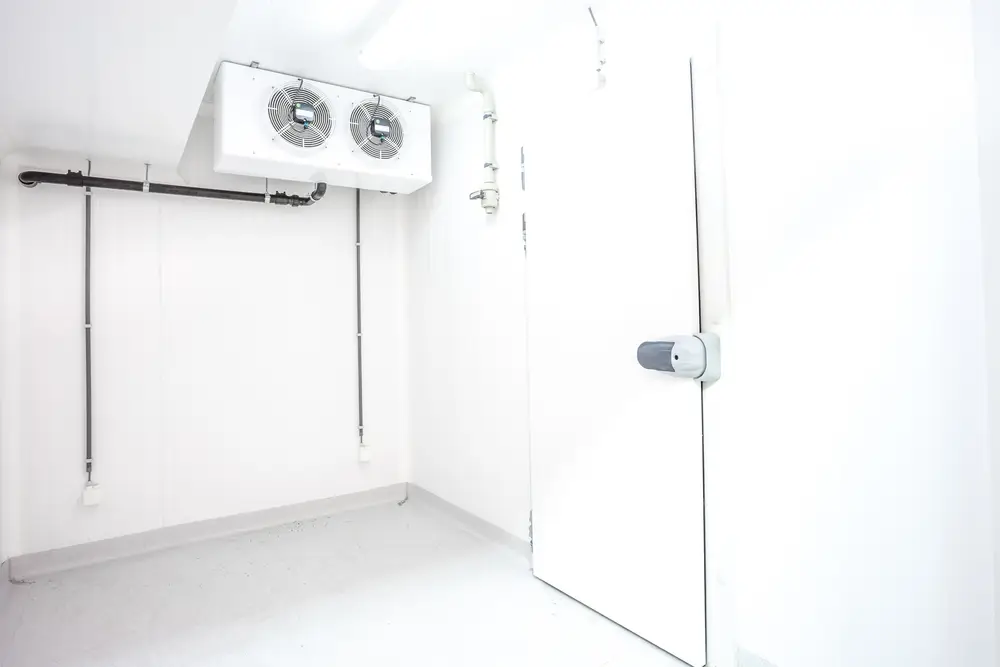
Freedom Appliance gets called out across Calgary whenever a walk-in freezer evaporator fan starts to fail and temperatures begin climbing. Often the compressor still sounds like it is working fine. This fan is usually the real reason why cooling suffers. It pushes cold air from the evaporator coil throughout the freezer. When it slows down or stops, cooling becomes uneven no matter how hard the compressor runs. Restaurants and grocery operators lose product fast once this happens, so recognizing the signs early matters.
The evaporator fan sits inside the freezer, usually behind a metal guard near the ceiling. It operates in a cold, often icy environment. That means it takes on more wear than fans in warmer parts of a refrigeration system. Motor bearings, blades, and wiring all face constant condensation and frost cycles. Over time, this shortens component life.
What the Walk-In Freezer Evaporator Fan Actually Does
Cold air does not distribute itself evenly inside a walk-in freezer on its own. The evaporator fan pulls warm air across the coil, where it gives up heat. It then pushes the now-cold air back into the room. Without steady airflow, cold air pools near the coil. The far corners of the freezer stay warmer than the thermostat reading suggests.
This uneven distribution creates a dangerous blind spot. A freezer can register an acceptable temperature at the thermostat sensor. Meanwhile, product stored near the door or in back corners can sit several degrees warmer. That gap is exactly why a struggling walk-in freezer evaporator fan often goes unnoticed until spoiled inventory forces the issue.
Signs Your Evaporator Fan Needs Attention
Staff working in and out of a walk-in freezer are well positioned to catch early warning signs. A few patterns show up again and again during service calls.
- Frost building up heavily on the coil or fan guard instead of spreading evenly
- A humming or grinding noise coming from the ceiling area of the freezer
- Noticeable temperature differences between the front and back of the unit
- The compressor running long cycles without the freezer actually cooling down
- Ice forming on the fan blades themselves, which can throw the fan off balance
Any one of these signs on its own is worth a call. Combined, they usually point to a fan motor or blade problem that needs prompt attention before it affects stored inventory.
Common Walk-In Freezer Evaporator Fan Failures and Fixes
The table below breaks down the most frequent evaporator fan issues our technicians diagnose in Calgary walk-in freezers.
| Symptom | Likely Cause | What We Do |
|---|---|---|
| Fan not spinning at all | Burned-out motor or blown fuse | Test motor, replace fan motor or fuse |
| Fan spins but airflow is weak | Ice-caked blades or bent blade | Defrost unit, clean or replace blades |
| Loud grinding or rattling | Worn bearings or loose mounting | Replace fan motor, secure mounting bracket |
| Uneven cooling despite running fan | Blocked airflow path or coil frost | Clear obstructions, check defrost cycle |
| Fan cycles on and off unexpectedly | Faulty fan relay or wiring issue | Test and replace electrical components |
Diagnosing a walk-in freezer evaporator fan issue starts with a visual check of the blades and motor housing. An electrical test follows if the fan is not spinning at all. Ice buildup on the coil is often a clue too. It can mean the defrost cycle, not just the fan, needs a closer look.
Why Defrost Cycles and Fan Health Are Connected
A walk-in freezer relies on scheduled defrost cycles to melt frost off the evaporator coil. This keeps air passing through freely. When the defrost heater or timer fails, frost accumulates until it physically blocks airflow. The fan then has to work harder, which raises the odds of premature motor failure.
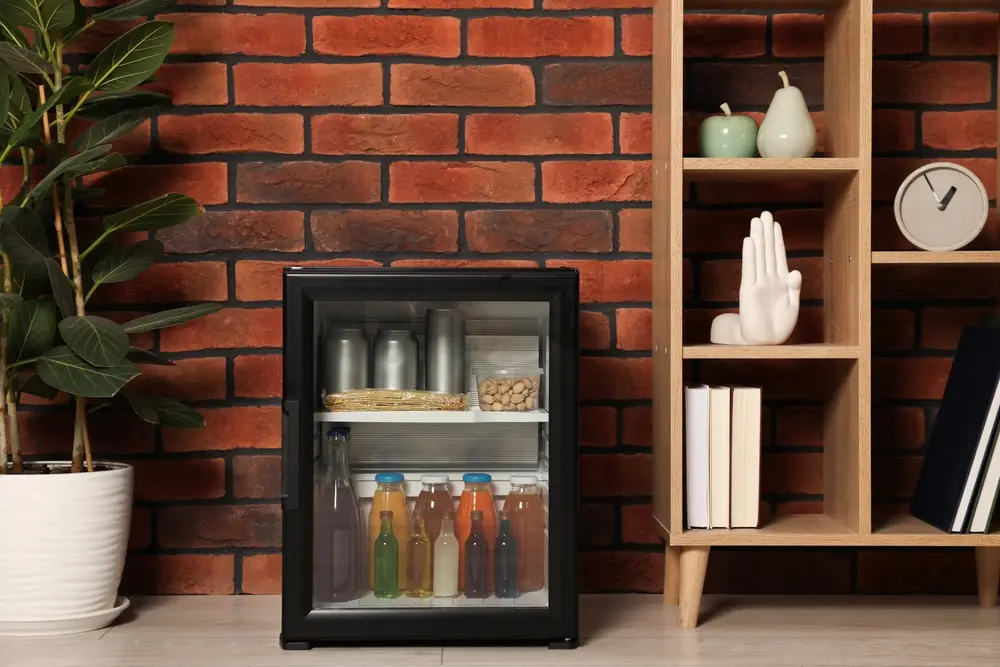
Persistent frost problems inside a commercial unit often trace back to this same defrost-and-airflow relationship. This pattern shows up even in smaller undercounter equipment. Catching a defrost timer issue early protects the evaporator fan from unnecessary strain. It also extends the life of the whole cooling system.
Protecting Stored Product During a Repair Visit
When a walk-in freezer loses cooling capacity, the biggest concern for most operators is what happens to the product already inside. A technician can often keep a freezer functional at a reduced capacity while diagnosing the fan issue. This avoids shutting the whole system down immediately and gives staff time to relocate the most sensitive inventory if needed.
Kitchens with a backup plan tend to handle these situations with far less disruption. Knowing which items need immediate attention helps. Having a secondary freezer or cooler available, even temporarily, helps too. Keeping the freezer door closed as much as possible during the repair limits temperature loss while the fan problem gets resolved. A technician can advise on the safest approach once the cause is confirmed. The same fan and airflow checks apply during our walk-in cooler repair visits for Calgary restaurants.
Thermostat accuracy matters just as much as fan health when it comes to catching a developing problem early. If a walk-in freezer’s controller is not reading the cabinet correctly, staff may not notice a fan issue until the temperature has already drifted. That is why signs that a thermostat needs calibration are worth knowing alongside fan warning signs.
Maintenance That Protects Evaporator Fans
A consistent maintenance routine keeps evaporator fans running longer and reduces emergency calls during busy service periods.
| Maintenance Task | Recommended Frequency | Why It Matters |
|---|---|---|
| Inspect fan blades for ice or damage | Monthly | Prevents imbalance and motor strain |
| Test defrost cycle timing | Every 2-3 months | Stops frost buildup that blocks airflow |
| Clean evaporator coil | Every 3-4 months | Improves airflow efficiency |
| Check fan mounting and wiring | Twice a year | Catches loose connections before failure |
| Monitor temperature consistency | Daily | Flags early signs of airflow trouble |
Operators who follow this kind of schedule typically catch fan wear before it causes product loss. The FDA Food Code treats consistent cold storage temperatures as central to food safety. That guidance makes reliable airflow inside a walk-in freezer more than a comfort issue.
Frequently Asked Questions
How do I know if my walk-in freezer evaporator fan has failed completely?
If the freezer temperature climbs steadily and you hear no fan noise near the ceiling area, the motor has likely stopped. A technician can confirm with an electrical test.
Can a walk-in freezer run safely with a partially failed evaporator fan?
Not reliably. Reduced airflow creates uneven cooling. This can leave sections of stored product above a safe temperature even if the thermostat reading looks fine.
How often should evaporator fan motors be replaced?
There is no fixed schedule, since it depends on usage and maintenance history. Regular inspection helps catch bearing wear before the motor fails outright.
Does frost on the evaporator fan always mean the defrost cycle is broken?
Not always, but it is one of the most common causes. A technician checks both the defrost timer and the fan motor together to find the actual source.
Is walk-in freezer evaporator fan repair something staff can do themselves?
This work involves electrical components and refrigeration systems, so it should be handled by a qualified technician. Attempting a fix without the right training can create safety risks and void warranties.
Contact Freedom Appliance
Freedom Appliance serves Calgary and the surrounding area with commercial refrigeration repair. The team works with restaurants, bars, grocery stores, hotels, and healthcare facilities. Reach out directly to book an assessment.
- Phone: (403) 889-6068
- Address: 12447 17 St SW, Calgary, AB T2W 4B5
- Hours: Monday – Friday, 8am – 5pm
- Book online: Freedom Appliance contact page