You’ve probably noticed it before. The afternoon hits its peak, your business fills up, and the air conditioning can’t seem to keep up. The room feels stuffy, customers grow uncomfortable, and you start wondering why your system fails exactly when you need it most. You’re not imagining it — real, identifiable reasons explain why your AC underperforms during peak hours, and most of them are fixable.
The Peak Hours Problem
Commercial AC systems are sized and designed around an average load. When everything runs at once — full occupancy, kitchen equipment, refrigeration units, lighting — the space generates more heat than the cooling system can handle. Experts call this “peak load,” and it stands as one of the leading causes of inadequate cooling during busy periods.
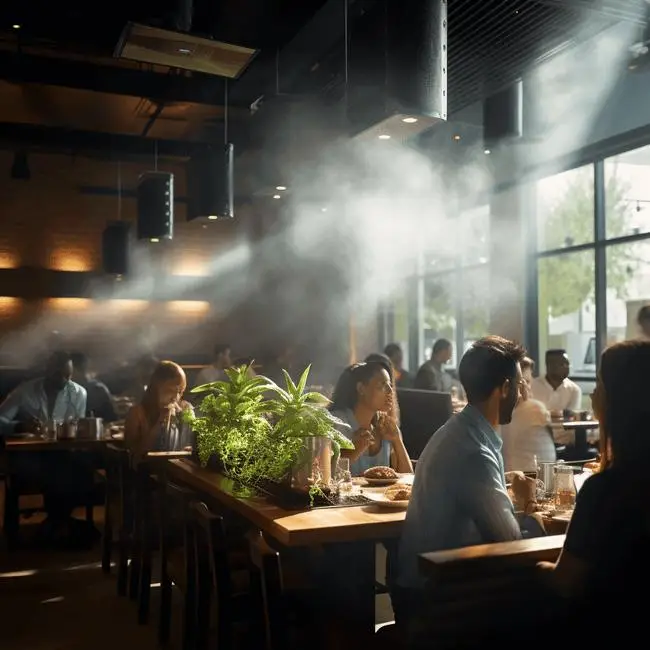
In commercial environments, the issue compounds quickly. A fully occupied dining room produces far more body heat than an empty one. Kitchen equipment alone can push thousands of BTUs of heat into the air every hour. When you add open freezer doors and malfunctioning refrigeration units into the mix, the thermal load overwhelms your AC fast. If you have been putting off your air conditioning repair or your system hasn’t had a recent service, peak-hour weakness becomes even more pronounced.
Refrigeration and Freezer Units Are a Hidden Culprit
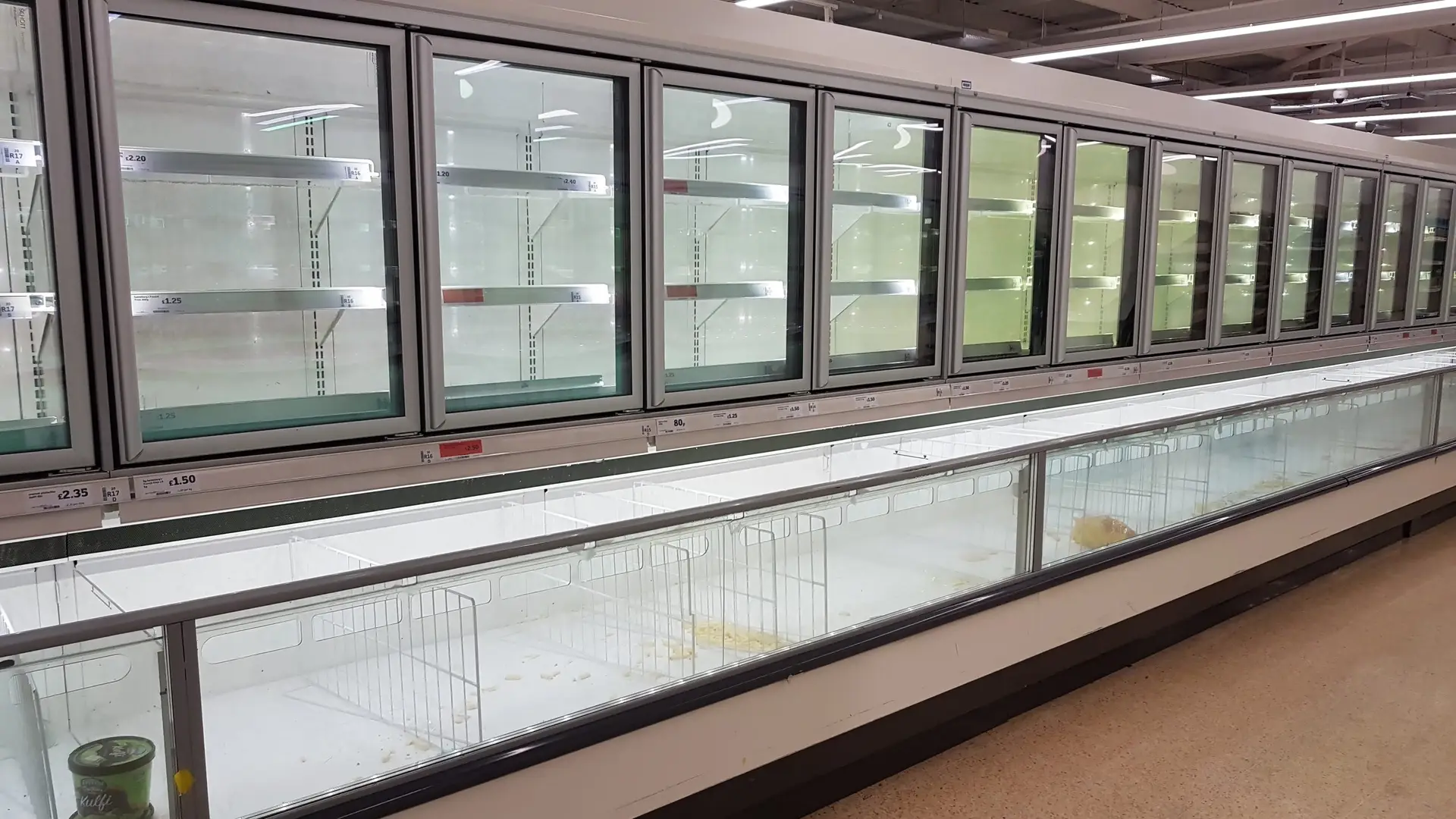
Many business owners overlook the direct relationship between their refrigeration equipment and their cooling system. When commercial freezers don’t run efficiently, they work harder, generate more heat, and push the ambient temperature of the surrounding area higher. A struggling freezer essentially acts as a space heater sitting right beside your product storage.
If you have delayed your commercial freezer repair, that unit is likely working overtime — dumping excess heat into your kitchen or service area and forcing your AC to work twice as hard. The same applies to under-counter units. A failing undercounter freezer repair quietly adds to the overall heat load of your space without you ever making the connection.
Why Busy Hours Specifically?
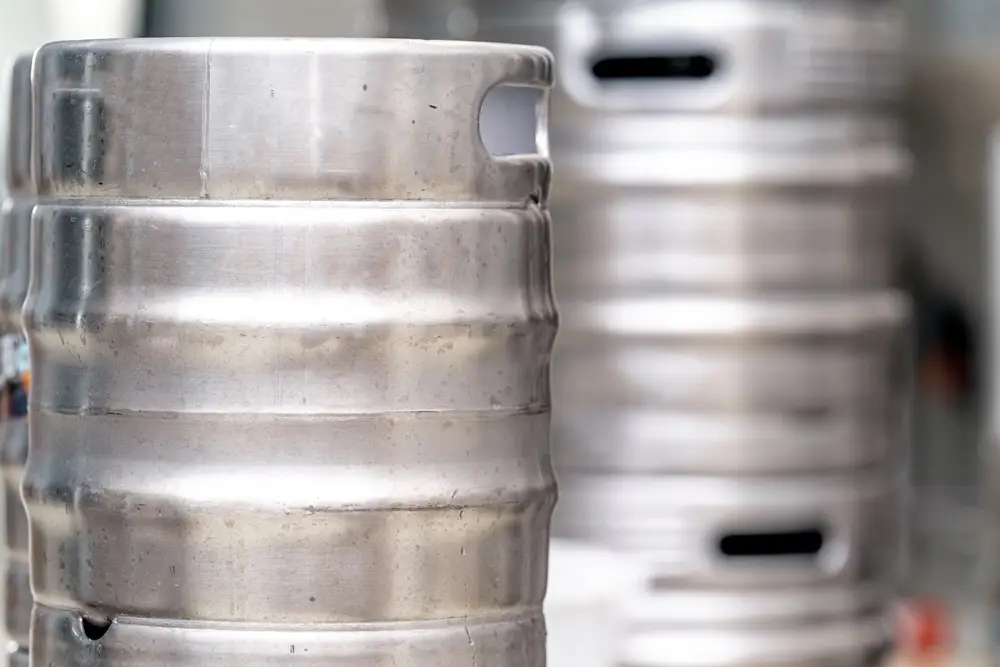
Your AC may run perfectly fine during off-peak hours, which makes the problem easy to dismiss as just a hot day. But the pattern tells a different story. Busy hours bring more people, more cooking, more equipment running at the same time, and more door openings. Every time a walk-in or reach-in door swings open, cold air escapes and warm air rushes in. If staff open your keg cooler dozens of times during a dinner rush and the unit isn’t sealing or cooling properly, you lose cold air constantly. Scheduling keg cooler repair isn’t just about keeping drinks cold — it prevents unnecessary heat from building up in an already stressed space.
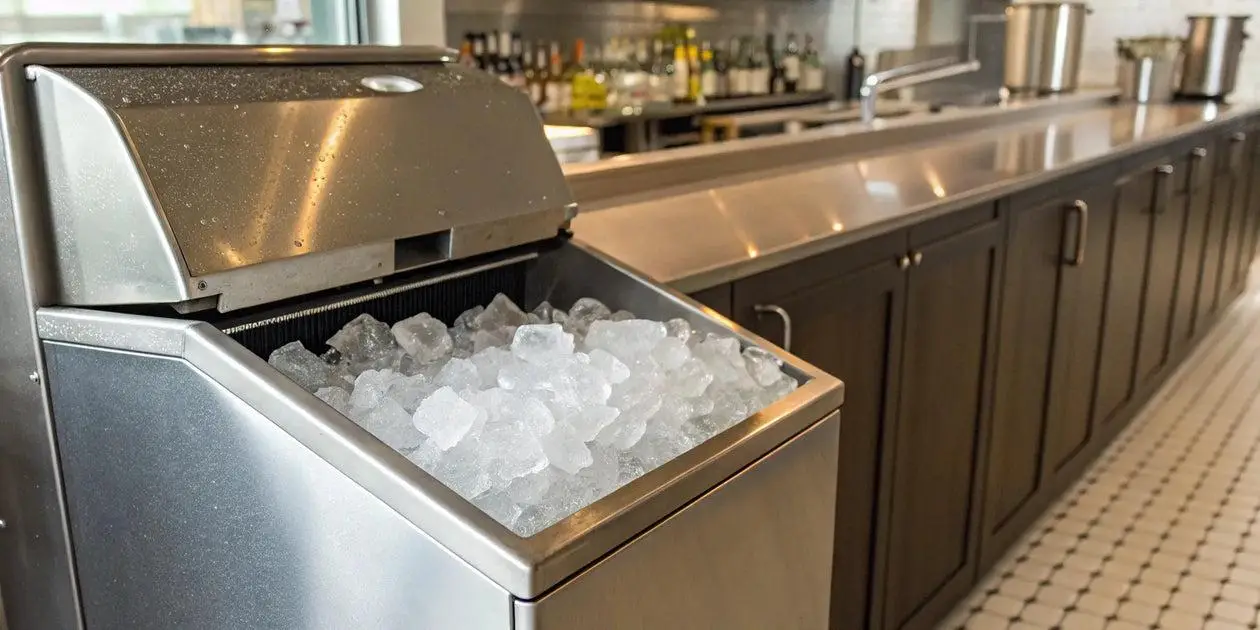
The same logic applies to ice-making equipment. Inefficient ice machines draw more power, cycle improperly, and push heat into the room. During a lunch or dinner rush when everyone needs ice, a struggling machine runs at full effort — and adds heat at the worst possible time. Staying on top of ice maker repairs eliminates this invisible heat source before it turns into a customer complaint.
Airflow and Dirty Filters
Beyond equipment interactions, your AC itself may simply be fighting restricted airflow. Clogged air filters rank among the most common and easily overlooked causes of reduced cooling performance. When something blocks airflow, the system can’t push enough conditioned air through the space to hold the set temperature — especially when demand spikes during a busy period.
Commercial environments collect dust, grease, and particulates far faster than residential ones. Filters that hold up for months in a home may need cleaning or replacement every few weeks in a commercial kitchen or high-traffic venue. Your coils, ductwork, and vents all need regular inspection too. A well-maintained system at full capacity handles peak-hour demand far better than a neglected one grinding through every busy shift.
The Compressor Under Pressure
Your AC compressor carries the heaviest workload during peak hours. If age, low refrigerant, or early wear has weakened it, the surge in demand during busy periods pushes it beyond its comfortable operating range. The result is exactly what you experience — less efficient cooling, rooms that stay warmer than the thermostat reads, and a system that seems to quit right when you need it most.
Freedom Appliances always recommends proactive inspection over reactive repair. A compressor that struggles through summer peaks will eventually break down at the worst possible moment — in the middle of a Friday night dinner service or a fully booked Saturday event.
What You Can Do
Start by auditing every heat-producing element in your commercial space. Look beyond the AC unit itself and examine every refrigeration unit, freezer, ice machine, and cooler on the property. If any of these underperform, they contribute directly to your cooling problem. Book your air conditioning repair alongside a check on all your refrigeration equipment. Tackling the full picture — not just the AC in isolation — delivers lasting results.
Freedom Appliances serves commercial clients across Calgary, covering everything from compressor diagnostics to full refrigeration system maintenance. If your space consistently struggles to stay cool during your busiest hours, don’t wait for a breakdown. Emergency repairs and lost business cost far more than a preventive service call.
Frequently Asked Questions
Why does my AC only struggle during busy hours and work fine otherwise?
During peak hours, people, cooking equipment, refrigeration units, and frequent door openings all generate heat at the same time, pushing the total load beyond what your AC can handle. Off-peak, the demand drops and the system keeps up. Busy periods simply expose the gap between your cooling capacity and actual need.
Can a malfunctioning freezer really make my AC less effective?
Yes. A freezer that works harder than it should releases excess heat into the surrounding space as a byproduct. That heat raises the ambient temperature and adds to the load your AC must overcome. Fixing your freezer directly reduces the total heat your cooling system has to fight.
How often should I replace commercial AC filters?
In most commercial kitchens and high-traffic venues, you should inspect filters monthly and replace or clean them every four to six weeks depending on conditions. Grease, dust, and particulates build up far faster in commercial settings than in homes, and restricted airflow directly cuts cooling performance.
Could my ice machine be contributing to the heat problem?
Absolutely. An ice machine that cycles improperly, runs longer than needed, or operates with worn components pushes heat into the space. During a busy service when the machine runs constantly, that heat becomes significant. Keeping your ice-making equipment in good repair removes this hidden heat source from the equation.
When should I call a professional instead of troubleshooting myself?
If your AC consistently underperforms during busy hours, if any refrigeration or freezer units make unusual noises or fail to hold temperature, or if you notice heat building up during peak service times, call a professional. Early diagnosis prevents larger failures and keeps your business running smoothly when it matters most.