Running a restaurant in Calgary means navigating Alberta’s demanding climate — punishing summers, frigid winters, and rapid swings in between. For restaurant owners, a reliable commercial air conditioning system isn’t optional; it protects staff health, meets regulatory standards, and keeps customers comfortable enough to stay, order more, and come back. When that system fails, the first question every owner asks is the same: how much is this going to cost me?
The Real Cost of Commercial AC Repair in Calgary
In 2026, Calgary restaurant owners pay anywhere from $250 to $3,500+ for commercial AC repairs, depending on the severity of the problem, the size of the equipment, and how urgently they need a technician on site. Emergency after-hours calls — the kind that hit on a packed Friday night in July when your dining room climbs past 30°C — push that number considerably higher.
Here’s a practical breakdown of what restaurants currently pay across common repair scenarios:
Diagnostic and service call fees run $95–$175 during standard business hours. After-hours or emergency diagnostics can reach $250 or more before a technician even touches the unit.
Refrigerant recharging (R-410A or R-32) costs $150–$600 depending on volume required and current commodity pricing. Refrigerant costs have climbed steadily as environmental regulations continue phasing out older compounds.
Compressor repair or replacement sits at the top of the cost range — typically $800 to $2,500 depending on unit size. In commercial kitchen environments running multiple cooling zones, this is where invoices grow fast.
Electrical component repairs covering capacitors, contactors, and fan motors generally land between $200–$700 and rank among the most frequent fixes on aging commercial systems.
Full unit replacement, when repair no longer makes financial sense, runs $3,000 to $12,000+ fully installed for commercial-grade rooftop or split systems common across Calgary restaurants.
Why Restaurant AC Repairs Cost More Than Residential
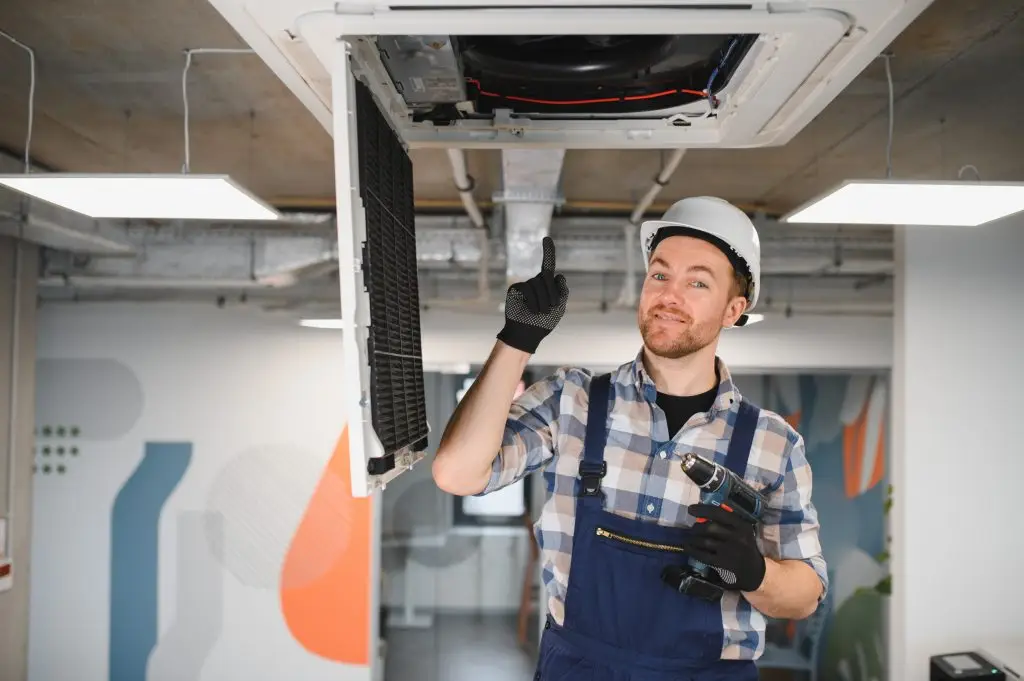
Commercial systems operate under entirely different demands. They run far longer hours, manage heat loads generated by industrial kitchen equipment, and process air thick with grease particles that accelerate wear on every internal component. This is the same reason that commercial refrigeration repair for restaurants requires genuine specialization — a qualified technician needs to understand not just HVAC fundamentals, but the specific pressures food service environments create around the clock.
Freedom Appliances, a trusted Calgary appliance and equipment service company, regularly works alongside restaurant operators dealing with overlapping cooling system failures. Their technicians point out that buildings housing restaurants tend to carry far more complex mechanical infrastructure than typical retail or office tenants. Kitchen exhaust systems, makeup air units, and multi-zone cooling equipment create interdependencies that a standard residential HVAC contractor isn’t prepared to diagnose or repair properly.
Factors That Drive Up the Bill
Deferred maintenance causes more budget damage than any single repair event. Restaurant owners who skip annual service agreements consistently pay 40–60% more per repair than those who maintain regular inspection schedules. Dirty coils, clogged condensate drains, and worn belts left unaddressed transform $150 maintenance tasks into $900 emergency calls.
Access and installation complexity adds real cost in older Calgary commercial buildings. A rooftop unit requiring a crane or specialized lift equipment can add $300–$800 to any repair job before labour and parts factor in.
Parts availability remains a challenge across the industry. Certain commercial AC components — particularly for older Lennox, Carrier, and Trane commercial units — still face supply delays, extending equipment downtime and increasing total labour costs when technicians need to return for follow-up visits.
Seasonal demand directly affects both pricing and wait times. June through August brings peak service volume across Calgary, which pushes rates up and stretches technician availability thin. Restaurant owners who schedule spring preventative maintenance sidestep both the price premium and the operational disruption of a mid-summer failure.
What to Expect When You Call a Technician
A trustworthy commercial HVAC company always starts with a thorough diagnostic before presenting a repair quote. Any contractor who offers a firm price over the phone without an on-site inspection deserves skepticism — commercial systems carry too much variability for remote estimates to hold up.
Request a written estimate that clearly separates labour from parts costs, and ask the technician directly whether repair or full replacement makes better financial sense given your unit’s current condition and age. For systems older than 12–15 years, replacement often delivers better long-term value than continued repairs.
Some commercial equipment repair specialists in Calgary offer bundled service contracts that combine AC maintenance with refrigeration coverage, which lowers overall costs for restaurant owners already paying for cooler and freezer servicing separately.
Tips for Keeping Costs Down
Lock in a preventative maintenance agreement — typically $400–$800 annually for a restaurant-sized system — that covers filter replacements, coil cleaning, refrigerant level checks, and full electrical inspections. The cost almost always beats a single emergency repair call.
Keep a detailed service log. Record every visit with the date, technician name, parts installed, and total cost. A complete history helps new technicians diagnose recurring issues faster, cutting diagnostic time and trimming the final invoice.
Train your front-of-house and kitchen staff to flag early warning signs — unusual noises from vents, uneven cooling across the dining room, reduced airflow, or frost buildup on outdoor units. Catching problems early stops manageable issues from becoming expensive emergencies.
Collect at least two quotes before approving any repair over $500. Calgary’s commercial HVAC market shows meaningful price variation between providers, and a second opinion on a compressor replacement can realistically save several hundred dollars.
Frequently Asked Questions
Q1: How often should a Calgary restaurant have its commercial AC serviced? Twice a year covers most operations — once in spring ahead of the cooling season and once in fall before heating demand takes over. High-volume kitchens dealing with heavy grease output benefit from quarterly coil and filter inspections, since that environment accelerates wear far beyond what a standard commercial space produces.
Q2: Is it worth repairing a commercial AC unit that’s over 10 years old? The answer depends on how repair costs compare to replacement value. Many technicians apply the “5,000 rule”: multiply the unit’s age in years by the repair cost in dollars, and if the result clears $5,000, replacement planning makes more sense than investing in the current unit. A 12-year-old system facing a $500 repair produces a score of $6,000, which tilts the decision toward budgeting for replacement — though urgency varies by situation.
Q3: Does Alberta offer any rebates for commercial AC upgrades in 2026? Yes. The Canada Greener Homes for Business program and Efficiency Alberta both provide incentives for businesses upgrading to high-efficiency commercial HVAC equipment. Rebate amounts vary by system type, efficiency rating, and installation scope, so working with a certified energy advisor before purchasing makes sense to maximize available funding.
Q4: What separates a commercial HVAC company from a refrigeration repair specialist? Commercial HVAC contractors focus on air handling, ventilation, heating, and cooling systems throughout a building. Refrigeration specialists concentrate on sealed refrigerant systems inside coolers, freezers, and food storage equipment. Most Calgary restaurants rely on both service types, and some providers cover both disciplines under one contract — an arrangement that simplifies scheduling and often reduces the total cost of annual service.
Q5: Can a Calgary restaurant legally operate without working air conditioning during summer? Alberta Occupational Health and Safety legislation requires employers to maintain safe working conditions, and extreme indoor temperatures create a genuine compliance issue. Food service regulations don’t specify a hard temperature ceiling, but health inspectors evaluate whether kitchen and dining environments meet a reasonable safety standard. A failed AC system during peak summer heat creates both a regulatory exposure and a real risk to staff wellbeing that no restaurant owner should ignore.