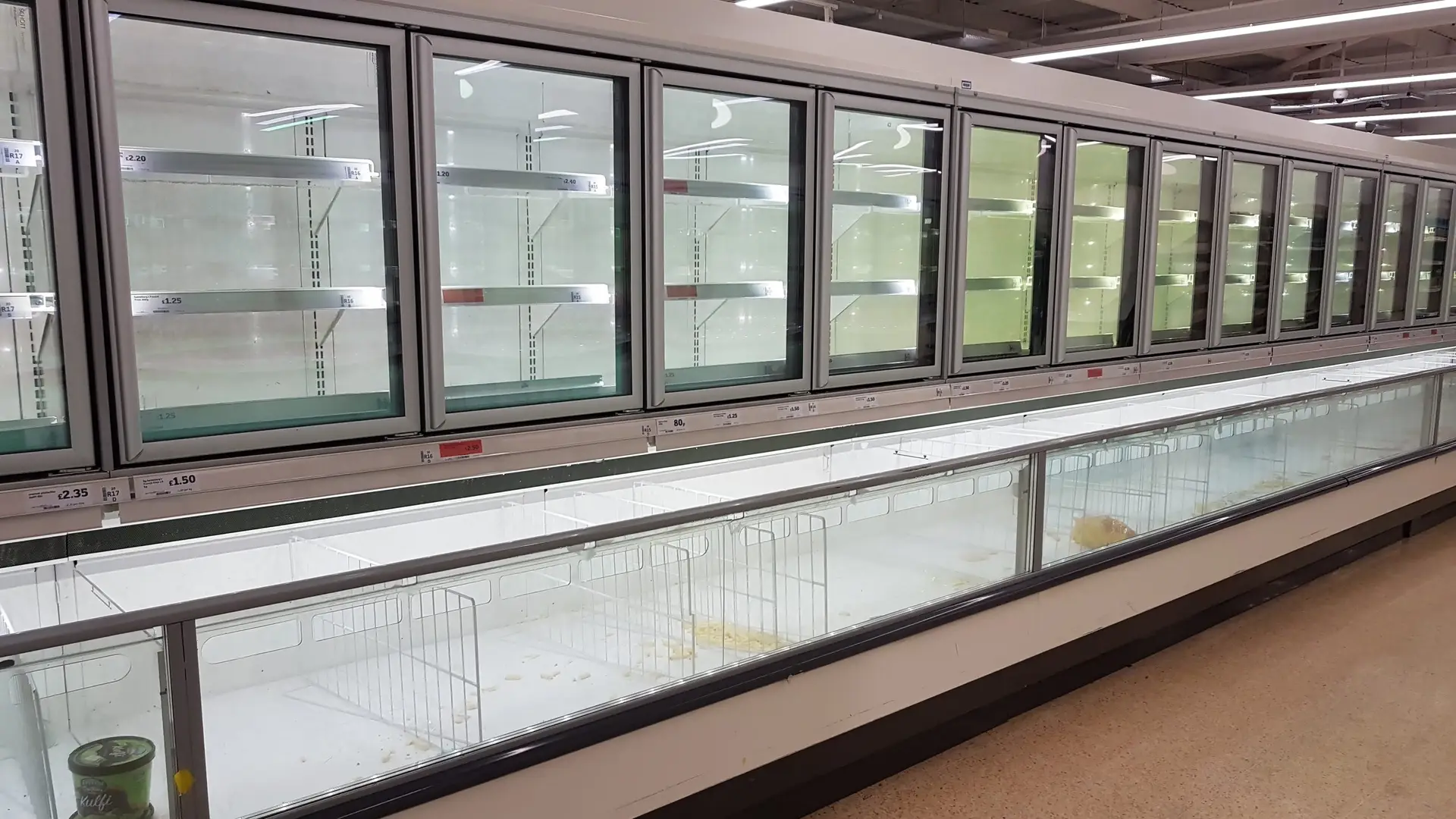
Running a food service business means your commercial freezer stands as one of your most critical pieces of equipment. When it fails without warning, you face spoiled inventory, health code violations, and lost revenue — all at once. The good news is that freezers rarely fail without giving you some warning signs first. Knowing what to look for can save you thousands of dollars and a whole lot of stress.
At Freedom Appliances, we’ve seen what happens when small issues get ignored. Here’s what to watch for before a minor problem turns into a full breakdown.
Your Freezer Runs Constantly and Never Cycles Off
A properly functioning freezer cycles on and off throughout the day. When you notice the compressor never shuts off, that signals a serious problem. The unit struggles to maintain its set temperature — often due to dirty condenser coils, a failing thermostat, or refrigerant issues. Constant running drives up your energy bills and wears out components much faster than normal. Scheduling a commercial freezer repair inspection at this stage can prevent a full compressor replacement down the road.
Temperature Inconsistency Puts Your Inventory at Risk
When your freezer fails to hold a stable temperature, your food safety already sits at risk. Check your thermometer regularly. Fluctuations of even a few degrees can indicate a failing door gasket, a malfunctioning evaporator fan, or a refrigerant leak. Products near the walls freezing unevenly, or items near the door staying warmer than they should — these symptoms demand immediate attention from a qualified technician who handles commercial refrigeration equipment daily.
Unusual Noises Signal Mechanical Trouble Inside the Unit
Freezers make some noise — that’s normal. Banging, rattling, hissing, or loud clicking is not. A banging sound often points to a failing compressor. Hissing can indicate a refrigerant leak. Rattling may mean a fan blade sits loose or faces obstruction. Any new or worsening sound deserves serious attention. Strange noises give you one of the clearest early warnings that something mechanical wears down inside the unit before a complete failure occurs.
Excessive Frost or Ice Buildup Slows Everything Down
Some frost is expected, but excessive buildup on the interior walls, shelves, or evaporator coils points to a deeper problem. It typically signals a defrost system failure, a damaged door seal letting warm air in, or a sensor issue. Heavy ice buildup forces your freezer to work harder and reduces storage capacity. If you defrost manually more than once every few weeks, something has gone wrong and a technician needs to assess it right away.
Water Pooling Around the Base of Your Freezer
Puddles on the floor near your freezer indicate a drainage problem or a refrigerant leak. A blocked or frozen drain line ranks as a common culprit and is relatively simple to fix — but leaving it alone causes compressor damage or creates slip hazards in your kitchen. Businesses that also run bottle coolers or bar equipment should check those units for the same drainage issues, as the problem often appears across multiple appliances at the same time.
Your Energy Bills Keep Climbing Without Explanation
When your electricity bills climb without an obvious reason, your freezer could be the culprit. A unit losing efficiency — due to worn seals, dirty coils, or refrigerant issues — draws more power trying to compensate. Tracking your energy usage monthly gives you early warning before the unit actually fails. Businesses running additional cooling equipment like a keg cooler alongside their freezers should monitor total refrigeration energy consumption as a combined figure to spot trends early.
The Door Seal Has Worn Out and Lets Warm Air In
Close your freezer door on a piece of paper. If you pull the paper out easily, your door gasket fails to seal properly. A damaged seal lets warm air in constantly, forcing the compressor into overdrive. Replacing a gasket costs far less than repairing a burned-out compressor. This simple check takes thirty seconds and gives you valuable insight into your unit’s overall condition.
Poor Air Conditioning Makes Your Freezer Work Harder
Many food service operators overlook the connection between their HVAC system and refrigeration performance. When your kitchen runs hot due to a struggling air conditioning system, your freezer works significantly harder to compensate. High ambient temperatures accelerate wear on compressor components and door seals. Keeping your entire cooling infrastructure in good shape directly protects your freezer’s lifespan and efficiency.
Call a Professional Before Your Freezer Fails Completely
If you notice one or more of these signs, call a technician before the problem escalates. Waiting until the unit stops working entirely means more extensive repairs, emergency service rates, and the full cost of replacing spoiled inventory. Freedom Appliances recommends preventive maintenance checks at least once a year — twice a year for high-volume operations. Early intervention almost always costs less than emergency repairs. Don’t ignore what your equipment tells you.
Frequently Asked Questions
How often should a commercial freezer be serviced? Most manufacturers recommend professional servicing at least once a year. High-volume operations benefit from inspections every six months to catch wear before it causes a breakdown.
Can I repair my commercial freezer myself? Basic tasks like cleaning condenser coils or replacing a door gasket work as DIY jobs. Anything involving refrigerant, electrical components, or the compressor requires a licensed technician every time.
How long does a commercial freezer typically last? With proper maintenance, most commercial freezers last 10 to 15 years. Neglected units often fail well before the 10-year mark.
What temperature should a commercial freezer maintain? Commercial freezers must hold a consistent temperature of 0°F (-18°C) or below to meet food safety standards.
Is it worth repairing an older commercial freezer or replacing it? When repair costs exceed 50% of the replacement value, replacement makes financial sense. For units under 10 years old in otherwise good condition, repair almost always delivers the smarter return on investment.