Summer in Calgary brings heat, full patios, and packed dining rooms. Your commercial AC system works harder than it does at any other time of year. However, most restaurant owners do not notice the warning signs until the system gives out completely — often on the hottest day of the summer. Catching the signs early saves you from a costly breakdown and a dining room full of uncomfortable guests.
An overworked AC unit does not always fail dramatically. Frequently, it just starts losing the battle quietly. Rooms that used to cool down in minutes now take thirty minutes or more. Staff complain that the kitchen feels unbearable even with the hood fans running. These are early signals that your system needs attention. Freedom Appliances provides commercial AC repair across Calgary and can identify capacity and performance issues before they become full failures.
Warm Spots That Keep Moving
One of the clearest signs of an overworked AC system is uneven cooling. Specifically, you may notice that certain sections of your dining room stay warm regardless of how long the AC runs. This happens when the system cannot produce enough conditioned air to meet demand. Furthermore, dirty evaporator or condenser coils reduce heat transfer efficiency, forcing the system to run longer to achieve the same result.
Check your thermostat settings first. However, if the system is running continuously and still cannot reach your set temperature, you have a performance problem — not a settings problem. Similarly, a unit that cycles on and off rapidly is short cycling, which stresses the compressor and drives up energy costs.
Overworked AC units affect more than just comfort. A hot kitchen makes every piece of refrigeration equipment work harder. Consequently, your commercial fridge repair costs tend to rise during summers when the AC is underperforming. The two systems are directly connected — ambient temperature affects compressor load on all refrigeration units in your building.
Unusual Sounds and Smells
Listen carefully to your AC unit during operation. A system under strain often produces sounds it did not make earlier in the year. Specifically, rattling points to loose components, while grinding suggests bearing wear. Hissing or bubbling sounds may indicate a refrigerant leak.
Musty smells from your vents signal mould or bacteria on the evaporator coil or in the drain pan. Furthermore, a burning smell means electrical components are overheating. Do not ignore either of these. A musty system circulates contaminants through your dining room, which creates health and inspection risks.
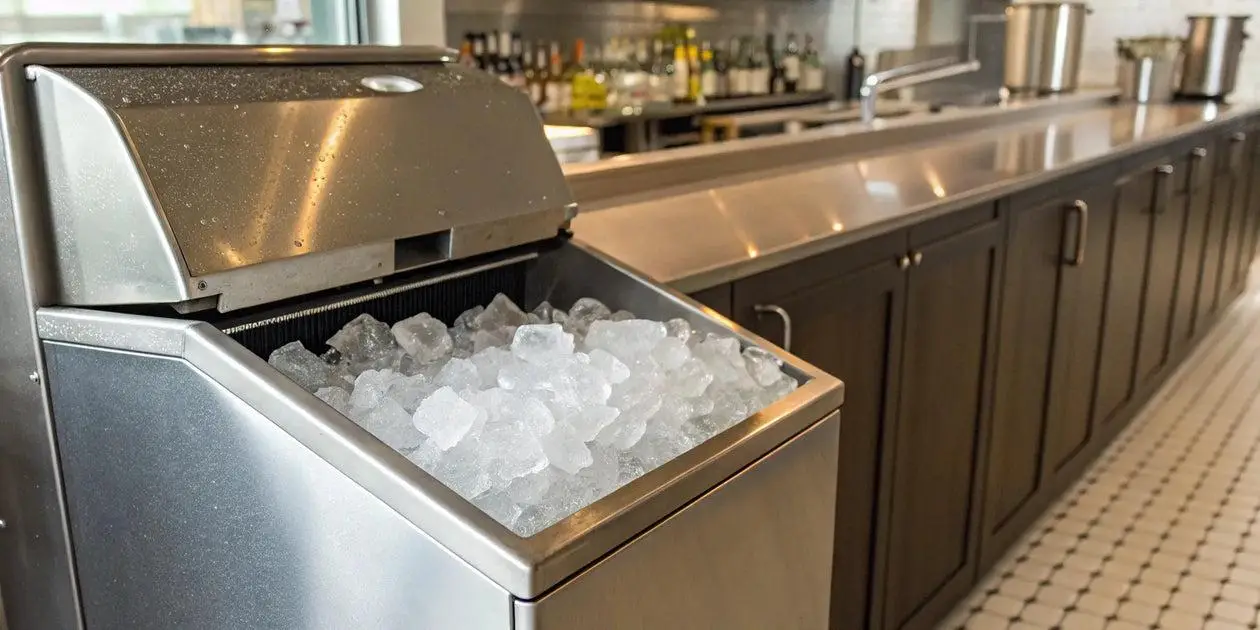
High ambient kitchen temperatures also stress your ice machine repairs timeline significantly. When the room around an ice machine runs hot, the condenser inside the machine works harder, ice production slows, and parts wear out faster. Therefore, resolving your AC performance issues directly extends the service life of your ice equipment.
Higher Energy Bills Without a Clear Reason
A sudden spike in your energy bill during summer often points to AC inefficiency. Specifically, an overworked unit consumes more electricity trying to compensate for its reduced capacity. Dirty filters, blocked condenser fins, or low refrigerant all make the system less efficient without reducing its power draw.
Check your filters first — this is the fastest and cheapest fix available. Replace them if they are clogged. However, if your bills remain high after a filter change, call a technician to inspect the refrigerant charge and coil condition.
When Your Freezers Start to Struggle
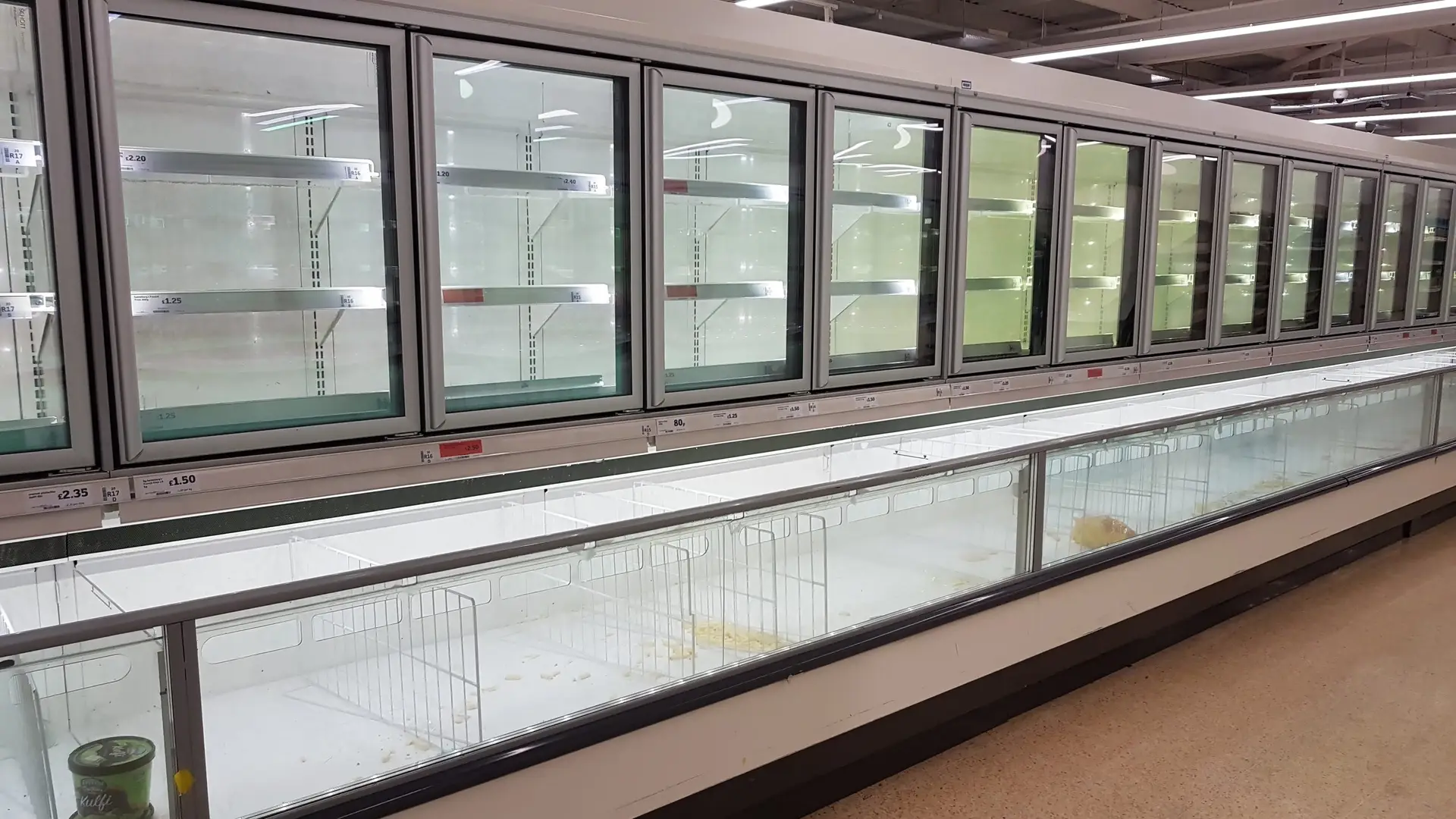
Your refrigeration and your AC share the same ambient environment. When your AC underperforms, kitchen temperatures rise. Consequently, your walk-in freezers, reach-in units, and prep table refrigerators all work harder to maintain their set temperatures. If you start noticing temperature drift in your freezers during the hottest parts of summer, your AC problem may be contributing directly. Freedom Appliances handles commercial freezer repair and can assess whether ambient temperature is a factor in your freezer’s performance.
In 2026, many commercial HVAC systems come with smart diagnostic tools that flag capacity and efficiency issues automatically. However, older systems — and many restaurants in Calgary still run them — give no warning at all. Therefore, seasonal inspections before the peak of summer are the most reliable way to stay ahead of problems.
Maintenance Tasks to Do Right Now
Replace air filters immediately if you have not done so since spring. Clean the outdoor condenser unit — debris like cottonwood and dust accumulate heavily in Calgary during summer. Specifically, a blocked condenser cannot release heat efficiently and will cause the compressor to overheat. Inspect all refrigerant lines for visible damage or frost. Furthermore, clear any obstructions around both the indoor and outdoor units to ensure proper airflow.
Book a professional service call before your system fails entirely. A technician can check refrigerant levels, test electrical components, and measure airflow across the coils. This visit typically costs far less than an emergency call during a heat wave.
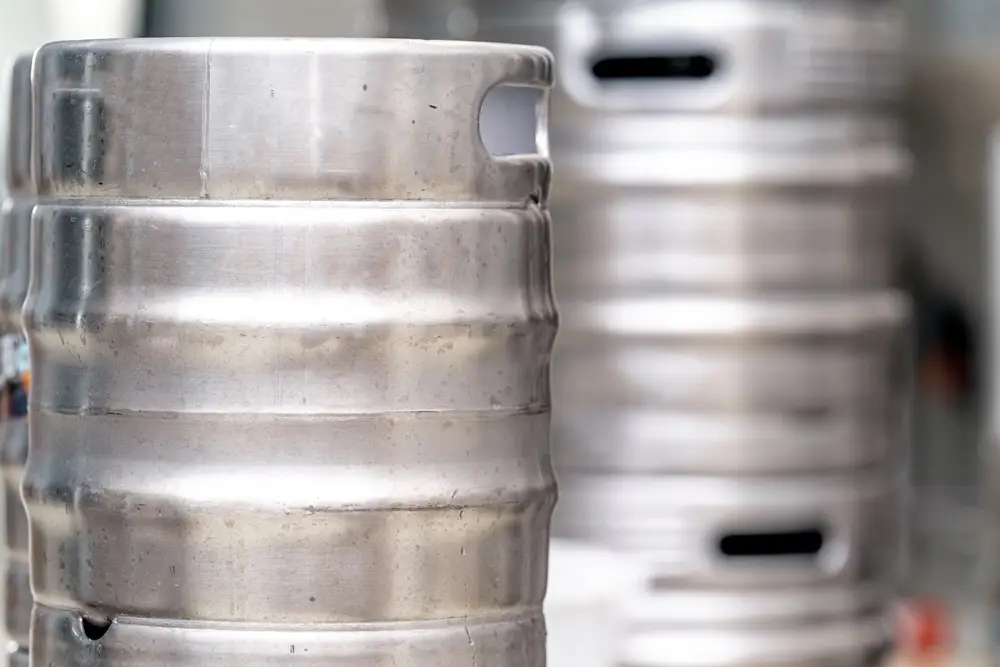
If your bar also runs a keg cooler repair program, make sure your AC inspection covers the area where your keg cooler sits. Bar spaces often trap heat and moisture, and an underperforming AC unit in that zone directly impacts keg cooler performance and longevity.
Summer Is the Worst Time to Wait
Every week of summer you delay an AC inspection is a week closer to a breakdown during your busiest service hours. Freedom Appliances operates across Calgary and surrounding areas including Airdrie, Cochrane, and Canmore. Call today to schedule a summer AC inspection before the next heat wave arrives.
Frequently Asked Questions
How do I know if my restaurant AC is low on refrigerant?
Signs of low refrigerant include reduced cooling capacity, longer run times to reach set temperatures, ice forming on the refrigerant lines near the indoor unit, and hissing or bubbling sounds during operation. A certified technician must diagnose and recharge refrigerant — it is not a DIY task.
Why does my restaurant feel hotter during a dinner rush than at other times?
During peak service hours, more people occupy the space, cooking equipment runs at full capacity, and oven and grill heat radiates into the dining room. Your AC has to handle all of this simultaneously. If it cannot keep up, your system may be undersized for peak load or is operating below its rated efficiency.
Can a dirty AC filter really make my Calgary restaurant uncomfortable?
Yes, significantly. A clogged filter restricts airflow across the evaporator coil, reducing the amount of cooled air the system can distribute. Furthermore, reduced airflow causes the coil to ice up, which shuts the system down entirely. Replace filters at least monthly during summer in a commercial kitchen environment.
Does Calgary’s summer heat affect commercial refrigerators inside my kitchen?
Yes, directly. Every refrigeration unit in your kitchen — including your fridges, freezers, and ice machine — works harder when ambient temperature rises. An overworked AC system raises your kitchen temperature, which increases the compressor load on every piece of refrigeration equipment and accelerates wear.
How much does a commercial AC inspection cost in Calgary?
Inspection costs vary depending on system size and the scope of service needed. Freedom Appliances charges a service call fee that applies toward any repair. Getting ahead of a problem with a seasonal inspection almost always costs less than an emergency breakdown call during a heat wave.