If you run a bar, restaurant, or hospitality venue in Calgary, you’ve probably walked in some morning to find your beer bottles warmer than expected, your keg readings off, or a thin layer of frost where it shouldn’t be. Nighttime temperature swings in bar coolers are one of the most common — and most overlooked — problems in the commercial food and beverage industry. The cooler seems to work fine during the day, but overnight, when staff are gone and traffic drops to zero, something shifts. By morning, product quality is compromised and your compressor has been working overtime.
At Freedom Appliances, we’ve diagnosed and repaired hundreds of these cases across Calgary. Understanding exactly why these temperature swings happen at night is the first step toward protecting your inventory, your energy bill, and your equipment’s lifespan.
Why Nighttime Is Different for Your Bar Cooler
During peak service hours, your bar cooler is opened repeatedly. Every time the door swings open, warm humid air rushes in, the compressor responds, and the unit cycles frequently. That constant demand actually keeps the refrigeration system in a relatively stable, active rhythm. At night, the door stays closed. Foot traffic disappears. The thermal load changes dramatically — and that’s where the trouble begins.
Bar coolers are typically calibrated for daytime usage patterns. When that load disappears overnight, the compressor either over-cycles (turning on and off too rapidly) or under-performs, failing to maintain target temps across the full cabinet. The result is uneven cooling, unexpected warm pockets near the door gaskets, and frost accumulation in the back corners.
The Most Common Causes of Overnight Temperature Swings
1. Failing or Worn Door Gaskets
A gasket that seals adequately during busy daytime hours — when pressure differences from frequent opening keep the seal moving — can develop micro-gaps overnight when the unit sits perfectly still. Cold air seeps out slowly, warm ambient air creeps in, and by 3 a.m. your cooler is fighting a battle it wasn’t designed to handle passively. Inspect gaskets monthly for cracks, tears, or deformation along the corners.
2. Thermostat Calibration Drift
Thermostats in commercial bar coolers can drift out of calibration over time, especially in high-use environments. During the day, the frequent cycling masks the drift. At night, with fewer cycles, the thermostat may allow the temperature to climb several degrees before triggering the compressor — or it may hold the unit in a near-constant run state trying to hit a temperature it’s no longer accurately reading.
3. Evaporator Coil Frost Buildup
If your defrost cycle isn’t running correctly — or isn’t scheduled at the right interval — frost accumulates on the evaporator coils overnight. Frost acts as insulation, dramatically reducing the coil’s ability to transfer cold into the cabinet. By morning, the unit may appear to be running fine, but it’s working at a fraction of its capacity. This is especially common in undercounter freezer units that double as bar cooler bases.
4. Ambient Temperature Changes in the Bar Environment
Many bar spaces have poor insulation or HVAC systems that shut down overnight. In Calgary winters, the ambient temperature in a closed bar can drop significantly. Paradoxically, this can cause problems: the cooler’s control board reads a colder ambient environment and reduces compressor activity — but without accounting for the cold spots that develop near exterior walls, potentially freezing product near the back of the unit.
5. Refrigerant Leaks and Low Charge
A slow refrigerant leak may not be obvious during the day when the system is running hard, but overnight the reduced thermal demand exposes the problem. The system runs inefficiently, takes longer to recover, and creates uneven cold zones throughout the cabinet. This is a situation where professional commercial freezer repair is essential — refrigerant handling requires certified technicians.
6. Condenser Coil Contamination
Bar environments are notorious for grease, dust, and yeast particles in the air. These settle on condenser coils over time and reduce heat dissipation efficiency. During slow overnight periods when the compressor should be maintaining temperature with minimal effort, dirty condenser coils force the system to work harder than necessary, creating thermal instability.
Pro tip from Freedom Appliances: If your bar cooler temperatures are swinging more than 3–4°F overnight, schedule a diagnostic check before the problem compounds. Catching it early is far cheaper than emergency repairs.
Keg Coolers: A Special Case
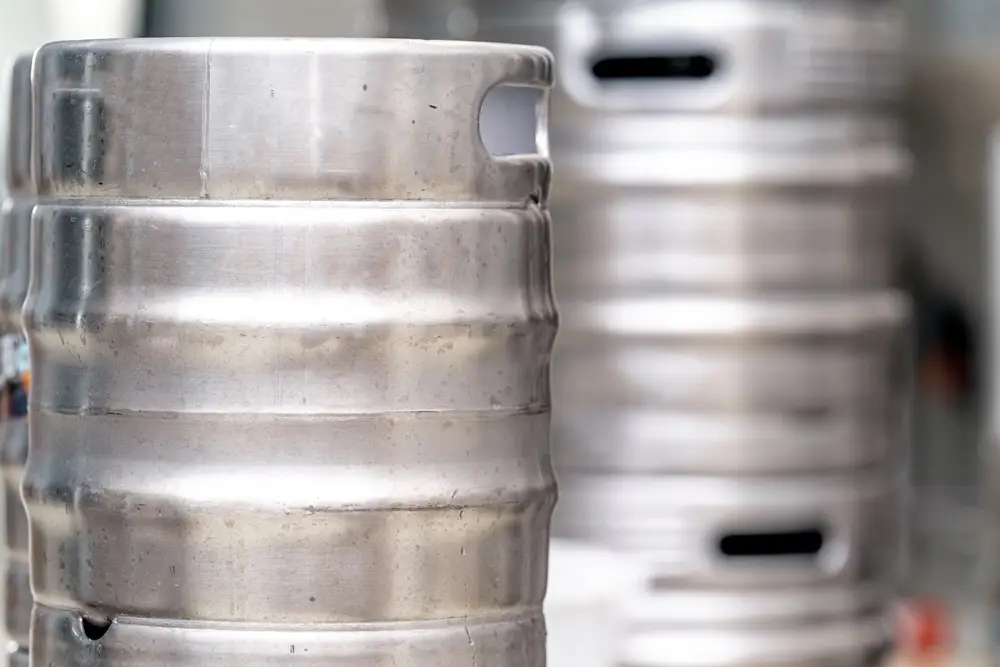
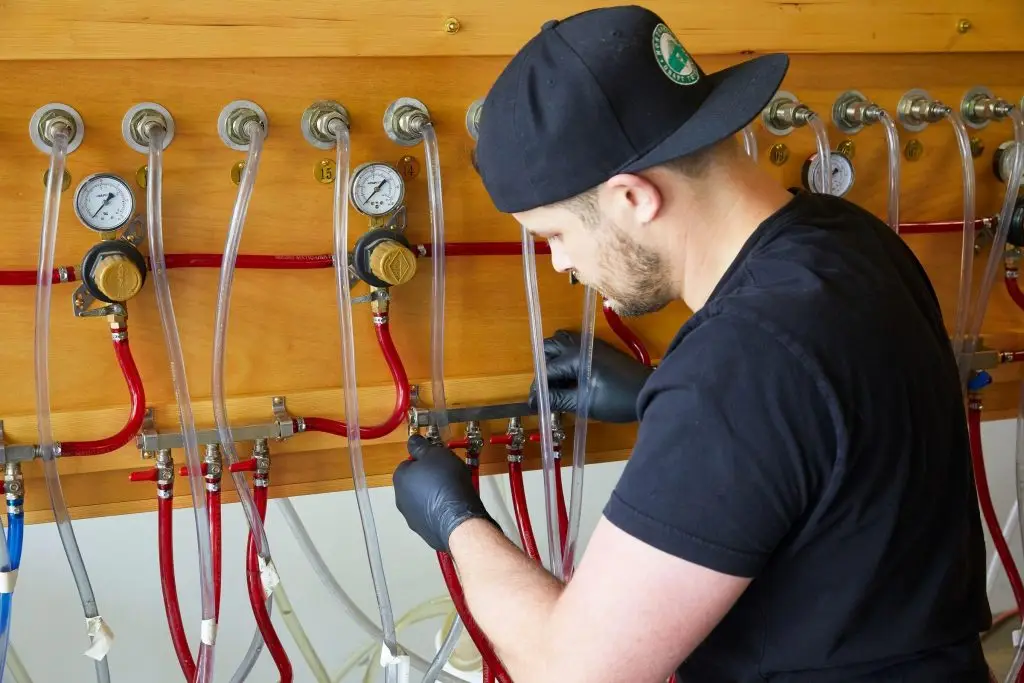
Keg coolers carry unique risks when it comes to overnight temperature swings. Draft beer is highly sensitive to temperature consistency — even a few degrees of fluctuation can accelerate CO₂ coming out of solution, leading to foamy pours and wasted product the next morning. Beyond the quality issue, repeated temperature cycling stresses keg seals and connectors. If you’re seeing inconsistent pour quality in the morning, your keg cooler may be experiencing exactly this kind of overnight swing. At Freedom Appliances, keg cooler diagnostics are one of our most requested services for good reason — the downstream cost of wasted draft product adds up fast.
Ice Machines Attached to Bar Cooler Systems
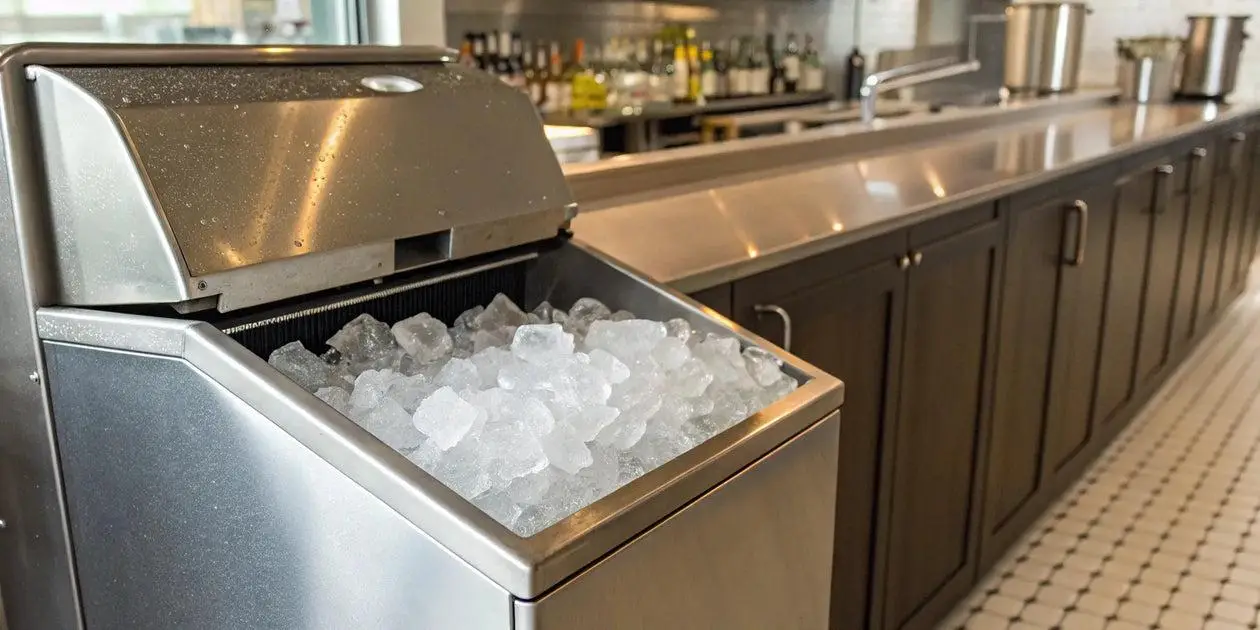
Many bar setups integrate ice production with their cooler systems, and overnight temperature instability in the cooler can affect ice machine performance too. If the ambient temperature around the unit drops too much or the refrigeration circuit is struggling, ice production slows or stops entirely, leaving you short at the start of a busy shift. Ice maker and ice machine repairs in Calgary are something Freedom Appliances handles regularly — and in many cases the root cause ties back to the same refrigeration system serving the bar cooler.
Preventive Maintenance: The Real Solution
The truth is that most nighttime temperature swing issues are preventable with consistent maintenance. Here’s what Freedom Appliances recommends for bar operators in Calgary:
Monthly: Inspect and clean door gaskets. Check for visible frost buildup on evaporator coils. Wipe down condenser coil surfaces.
Quarterly: Have a certified technician verify thermostat calibration, check refrigerant charge levels, test defrost cycle timing, and assess compressor health. This is also a good time to evaluate whether your unit’s temperature settings make sense for seasonal changes — Calgary’s temperature extremes between summer and winter can affect how hard your cooler works overnight.
Annually: Full refrigeration system inspection including electrical connections, fan motors, control boards, and coil condition. This annual check often catches the slow-developing issues — like gradual refrigerant loss or compressor wear — that eventually become emergency breakdowns.
If your bar cooler or air conditioning systems are tied into the same building HVAC, ensure the overnight climate in your bar space isn’t creating extreme ambient conditions that stress your refrigeration equipment unnecessarily.
When to Call Freedom Appliances
If you’re experiencing consistent overnight temperature swings of more than a few degrees, product quality issues in the morning, unusual compressor noise overnight, frost accumulation that shouldn’t be there, or unusually high energy bills — it’s time to call in professionals. Freedom Appliances serves commercial clients across Calgary with fast, reliable diagnostics and repair for the full range of bar refrigeration equipment. Don’t wait for a complete breakdown during your busiest service period. A proactive call now saves you significantly more in the long run.
Frequently Asked Questions
Why does my bar cooler temperature spike specifically at night and not during the day?
During the day, frequent door openings keep the compressor actively cycling, which maintains thermal stability. At night, when the unit sits undisturbed, underlying issues like gasket leaks, calibration drift, or frost buildup become apparent because the system isn’t getting the same regular cycling stimulus. The reduced ambient activity exposes problems that daytime use masks.
How much temperature fluctuation is normal for a commercial bar cooler overnight?
A well-maintained bar cooler should hold within ±1–2°F of its set point overnight. Swings greater than 3–4°F indicate a problem worth investigating. Beer and draft products are particularly sensitive — sustained fluctuations outside this range can affect carbonation, flavor, and shelf life.
Can I fix overnight temperature swings myself, or do I need a technician?
Some basic maintenance — cleaning condenser coils, inspecting door gaskets, checking that the defrost timer is set correctly — can be done in-house. However, issues involving refrigerant levels, thermostat recalibration, compressor diagnostics, or evaporator coil repairs require a certified commercial refrigeration technician. Attempting refrigerant-related repairs without certification is illegal in Canada.
Will overnight temperature swings in my bar cooler affect my keg beer quality?
Yes, significantly. Draft beer is highly temperature-sensitive. Overnight swings accelerate CO₂ coming out of solution, resulting in foamy, over-carbonated pours and wasted product the next morning. Consistent temperature is one of the most important factors in maintaining proper draft quality and reducing waste. If you’re seeing foamy pours at opening, your keg cooler’s overnight performance should be investigated.
How often should I schedule professional maintenance for my bar cooler in Calgary?
Freedom Appliances recommends quarterly professional service checks for bar coolers in active commercial use. Calgary’s climate creates additional stress on refrigeration systems — cold winters can affect ambient conditions inside bars overnight, while hot summers push condensers harder. Quarterly check-ins, combined with monthly in-house inspections of gaskets and coils, gives you the best protection against unexpected breakdowns.